🏢01
Daily official duties and customer visits
Temporary or planned business trips in the city will be arranged according to specific time, route and reception standards.
From daily official duties, customer visits, to team building, annual meetings and long-term repeated use of vehicles, we uniformly sort out needs, match vehicles, confirm tasks and check execution results.
Company cars often come from different departments and different scenarios: picking up customers today, delivering employees tomorrow, and there is a team building event at the end of the month. A single task is not complicated. What is difficult is that the requirements are scattered, the models are different, and the time changes, and they need to be confirmed one by one.
The focus of the corporate car segment is to put demand, car dispatch, execution and verification into a clear process as much as possible. Administration, HR or project leaders can connect in a unified way, and the fleet can then be assigned to specific vehicles and drivers.
Different scenarios can be arranged individually or combined into the same enterprise project or cycle cooperation.
Temporary or planned business trips in the city will be arranged according to specific time, route and reception standards.
Transportation to and from get off work, across campuses, project sites or airport stations shall be communicated according to actual frequency and route.
For unified departure, multi-person return or cross-city activities, vehicles can be matched based on the number of people, materials and luggage.
When traveling for multiple days, multiple locations or with multiple people, put the daily car usage tasks into the same plan.
Centralized transfer of employees, guest vehicles and venue vehicles can be arranged separately according to different tasks.
When temporarily adding a trip, check the available vehicles, response time and cost before confirming dispatch.
The fleet does not replace the company's internal approval, but converts the confirmed vehicle needs into a list that the vehicle can perform.
Administration, HR or project leaders communicate through a unified window, reducing the need to contact different vehicles each time.
Cars, MPVs, minibuses and buses are combined according to the number of people, luggage, routes and reception scenes.
The confirmed time, location, vehicle and completion status are formed into a list to facilitate verification by both parties.
When changing the time, location or vehicle type temporarily, check for conflicts first and then synchronize the new arrangements to the relevant drivers.
Do not force all companies into the same package. First look at the frequency of use, route stability, vehicle type and internal processes, and then determine a more suitable arrangement.
Suitable for temporary business, single transfer, and needs for which the time and route have been determined.
Suitable for multiple visits on the same day, waiting and possible fine-tuning of the itinerary.
Suitable for team building, inspections, annual meetings, concentrated training and multi-day projects.
Suitable for enterprises with stable frequency, fixed routes or continuous dispatch needs.
First, connect common needs and docking methods, and each subsequent dispatch of a vehicle can be executed more quickly.
First confirm the common scenarios, frequency, number of people, routes, models and internal docking methods.
Communicate by item, duration, project or cycle to clarify cost inclusion and settlement methods.
Confirm clearly the time of use, transfer points, passengers, vehicle and driver information.
The driver will arrive in advance and provide feedback in the agreed manner when receiving, delivering or changing things.
After the project or cycle ends, check the actual tasks and continue to optimize for the next vehicle use.
According to the reception objects, team size, materials and luggage, put the car models into the same set of corporate car arrangements.
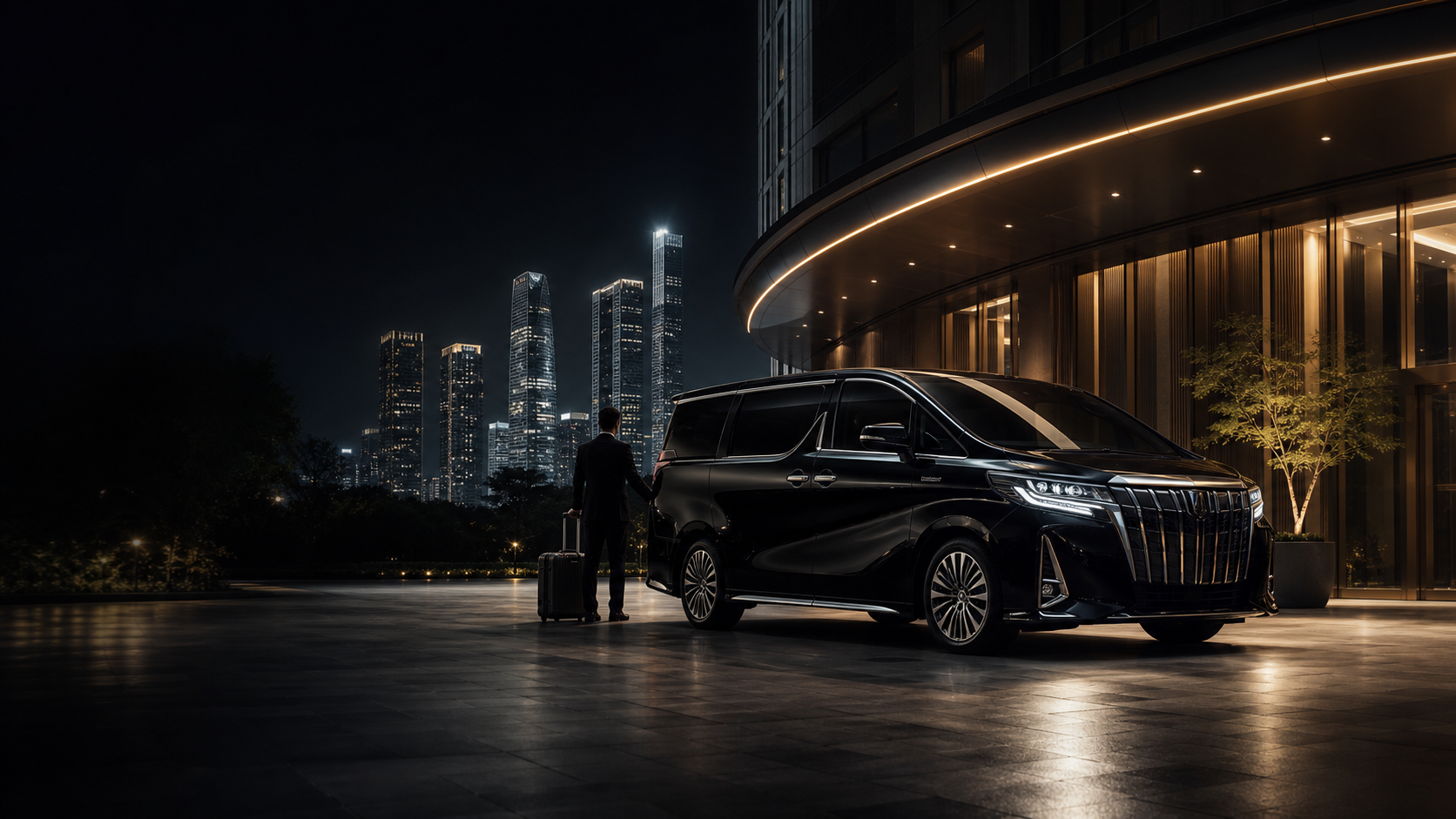
Suitable for customer visits, management travel, airport transfers and all-day use of a small number of people.
Explore this vehicle →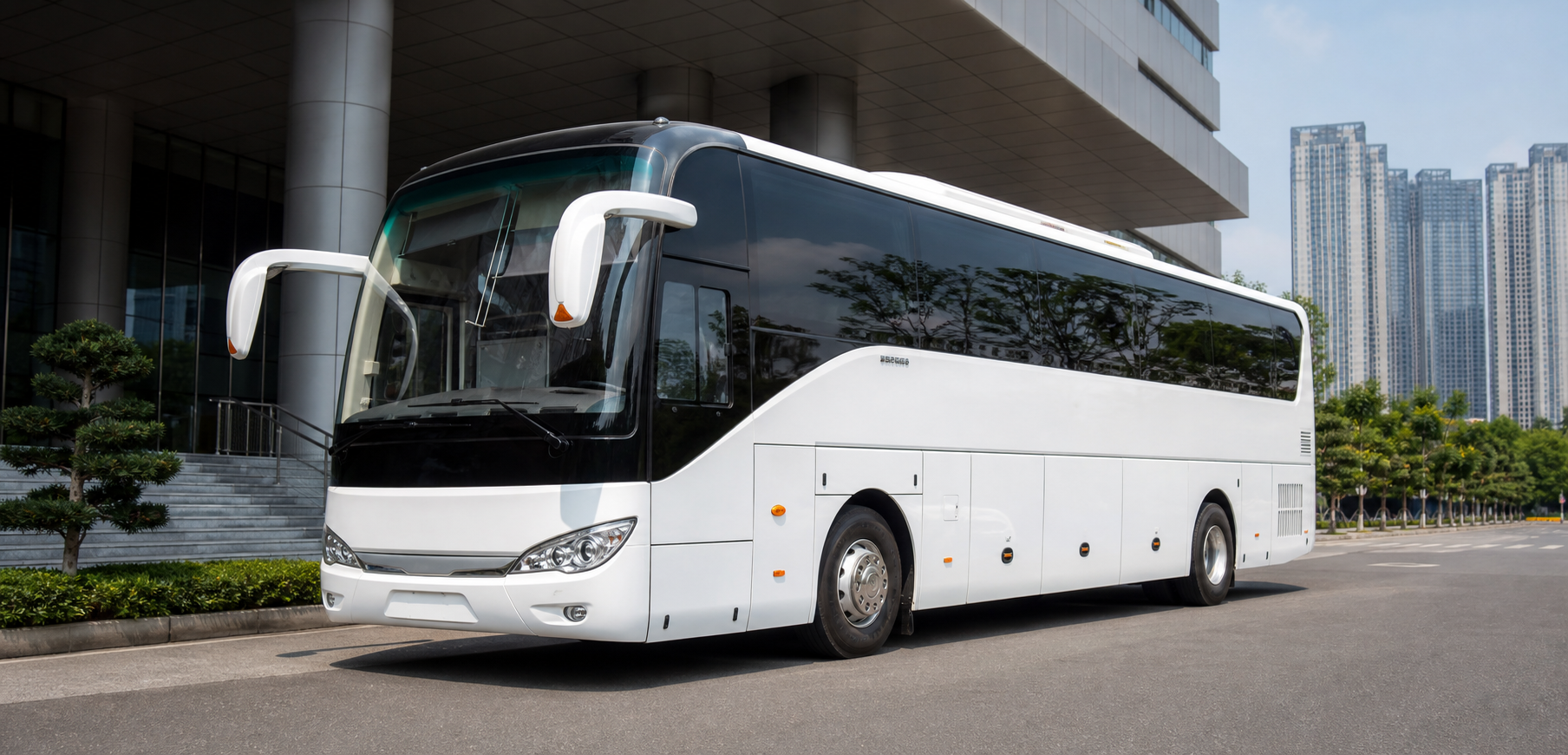
Suitable for corporate visits, project inspections, training and small teams that need unified action.
Explore this vehicle →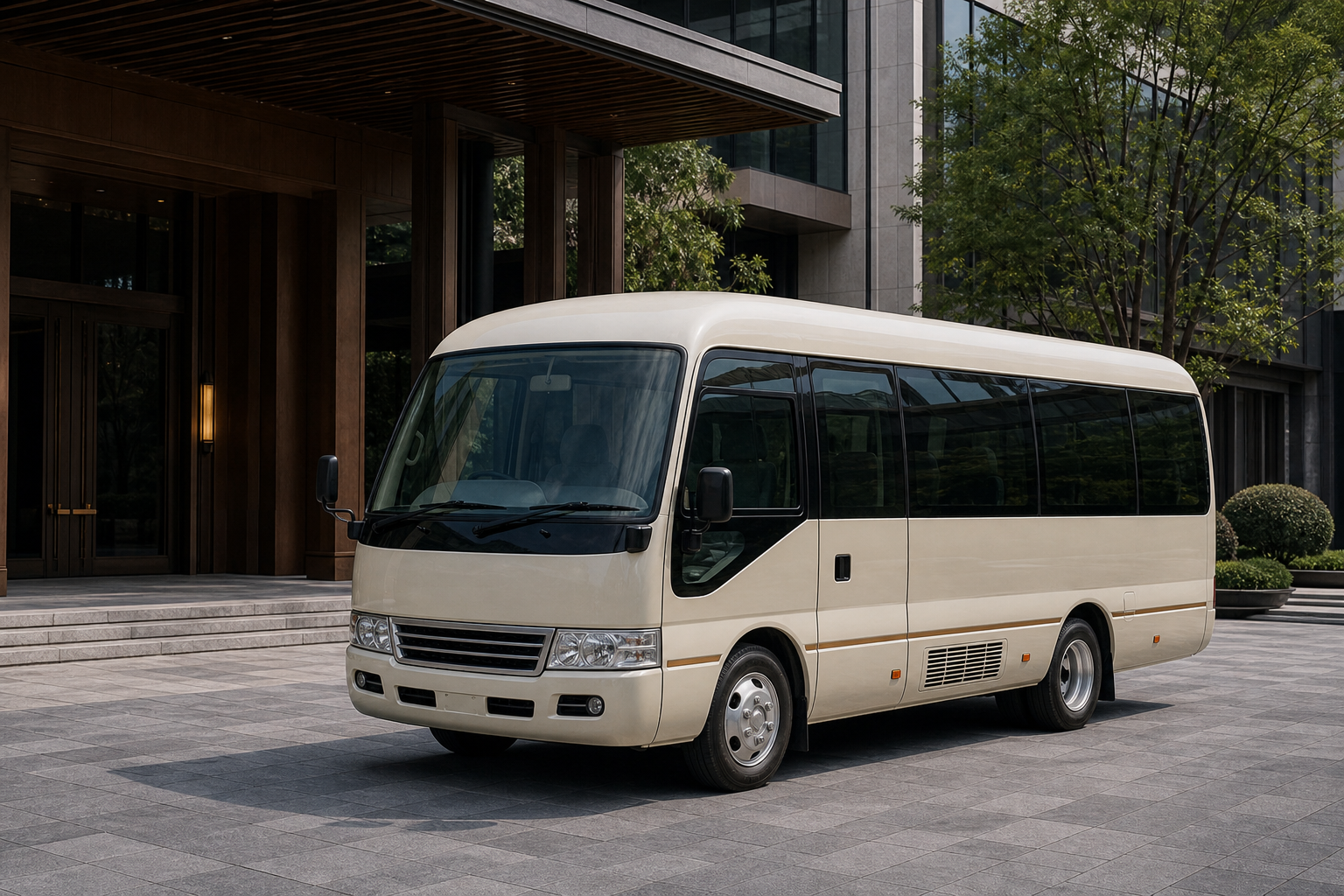
Suitable for employee activities, annual meetings, team building and centralized transfers of large numbers of people.
Explore this vehicle →The three services will overlap with each other, but you can first judge the entrance based on the "problem you most want to solve."
The focus is on unified docking, task lists, vehicle model combinations and continuous collaboration.
current pageThe focus is on reception experience, multi-point schedule, waiting and important itinerary connections.
View executive transfers → Conference TransportThe focus is on transfer schedules, vehicle marshalling, venue vehicle preparation and on-site unified scheduling.
View conference transport →Specific procurement and financial requirements can be communicated individually in conjunction with the company's own processes.
Executive Transfers pay more attention to the reception experience of a certain customer or guest trip; corporate cars cover company daily use, activities, projects and long-term repeated use of cars, with more emphasis on unified docking, task lists and continuous collaboration. The two overlap, but they solve different problems.
It depends. It can be a fixed line, or it can be a different task submitted each time. The fleet will determine the appropriate cooperation method based on frequency, vehicle type, response time and actual itinerary.
The earlier you communicate, the easier it will be to match the car model. It is recommended to arrive at least one day in advance for daily city use; for events, multiple vehicles or popular dates, it is recommended to arrive earlier. You can inquire about temporary needs, but the vehicles available at that time shall prevail.
Yes. Corporate activities or projects may require car reception management, minibus acceptance team, and bus transfer staff at the same time, which can be put into the same car plan for unified coordination.
Communicate contracts, invoicing information, settlement cycles and task verification methods according to corporate procurement and financial requirements. The specific cooperation documents and actual vehicle list confirmed by both parties shall prevail.
The team requires drivers to arrive in advance as agreed. The specific lead time will be confirmed based on the type of task; more time will usually be reserved for important reception and meeting tasks.
You can start from a recent specific task, or you can directly introduce common routes, frequency, number of people and vehicle type requirements.