 REAL JOURNEY · WESTERN SICHUAN
They Came to See Western Sichuan.
I Came Away Remembering Them.
Five Days on the Road with Eva and Martin
It rained on the day we returned to Chengdu.
The weather had been kind to us for the first four days. Then, just as it was time to say goodbye, rain began to trace the windows. The mountains of Western Sichuan receded behind us, and familiar roads and city traffic slowly came back into view.
I joked, “You’re leaving Chengdu, and even the sky is crying.”
Eva and Martin laughed. I laughed too, though I truly was sorry to see them go.
Five days earlier, they had simply been two guests from France. I was their driver-guide through Western Sichuan, following our plan from one stop to the next.
But what happened along the way was about far more than arriving.
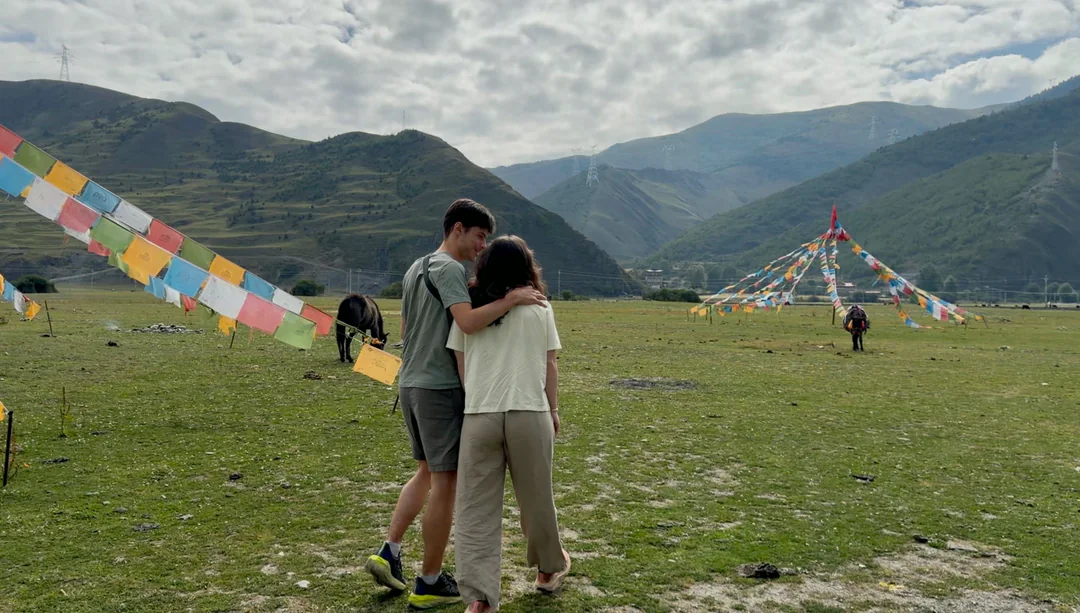
We saw snow-covered mountains and played basketball with boys we met beside the road. Martin ran at altitude and told me it was how he quieted his mind. Eva joined the Tibetan dance circle and went around it three times—first watching the steps, then gradually becoming part of the circle herself.
There was also a fourth companion in the car, unseen but always present: Panda. It helped us cross the language barrier, though every so often it forgot that it was meant to translate and answered the question itself. The three of us would burst out laughing.
With its help, we moved from travel to work, from everyday life to our countries, and eventually to the future of humanity. We could also become remarkably serious about whether a few flowers in a Tibetan family’s garden were real or fake.
My greatest failure of the five days was eliminating one star sign after another and still not guessing Martin’s correctly.
There were many serious conversations and just as many moments when we suddenly broke into laughter. We did not miss the scenery on our itinerary, but the people and moments outside the plan are what I remember most clearly.
I have travelled these roads through Western Sichuan many times and thought I knew what lay beyond every bend. Yet the same road becomes a different journey when different people are beside you.
It was only when the rain began to fall that I realised: they had come to see Western Sichuan, but over those five days they became the part of the journey I knew I would never forget.

The Story Began Before We Set Out
Long before we met, trust was already taking shape through one question and one answer at a time.
This journey did not begin on the day we met in Chengdu.
Eva and Martin had wanted to visit China for a long time.
At university, they had some exposure to Chinese and planned to spend a semester in China—Martin at Tsinghua University and Eva in Shanghai. The pandemic prevented those plans from going ahead, but the idea of coming here never left them.
They had expected to live here for a semester. The exchange was cancelled, but their wish to know the country remained. They had thought about it for years, they told me, and there was no reason to wait any longer.
This time, they finally came.
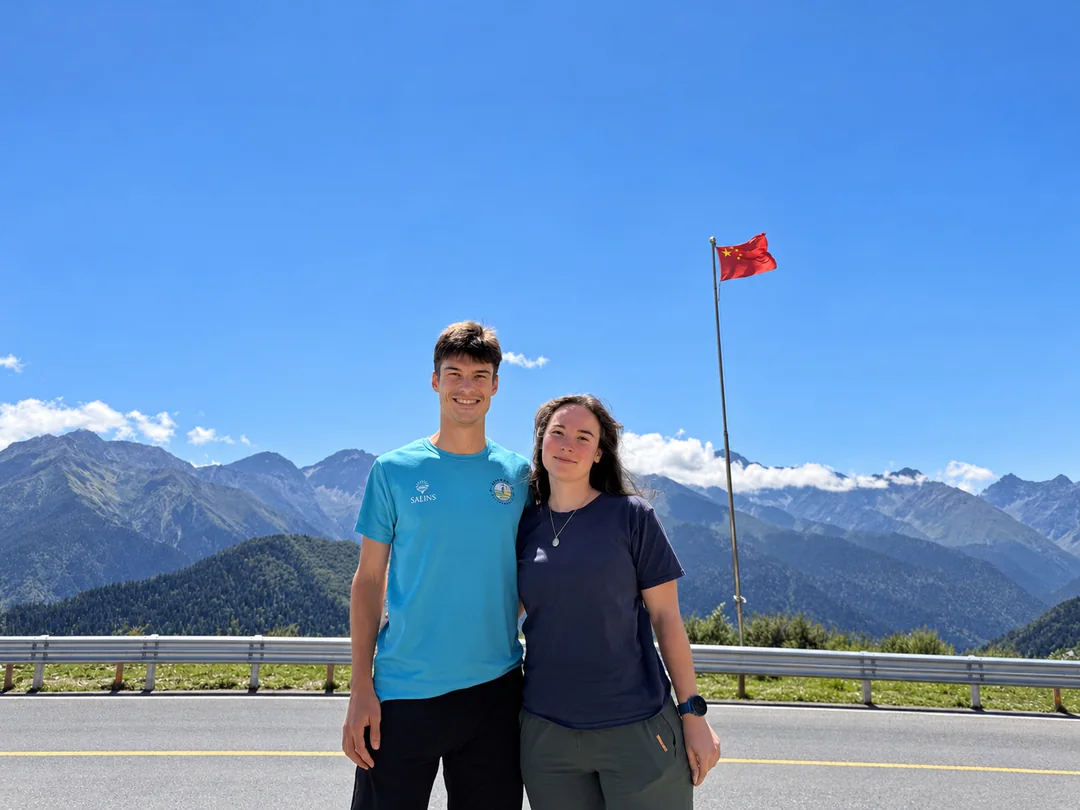
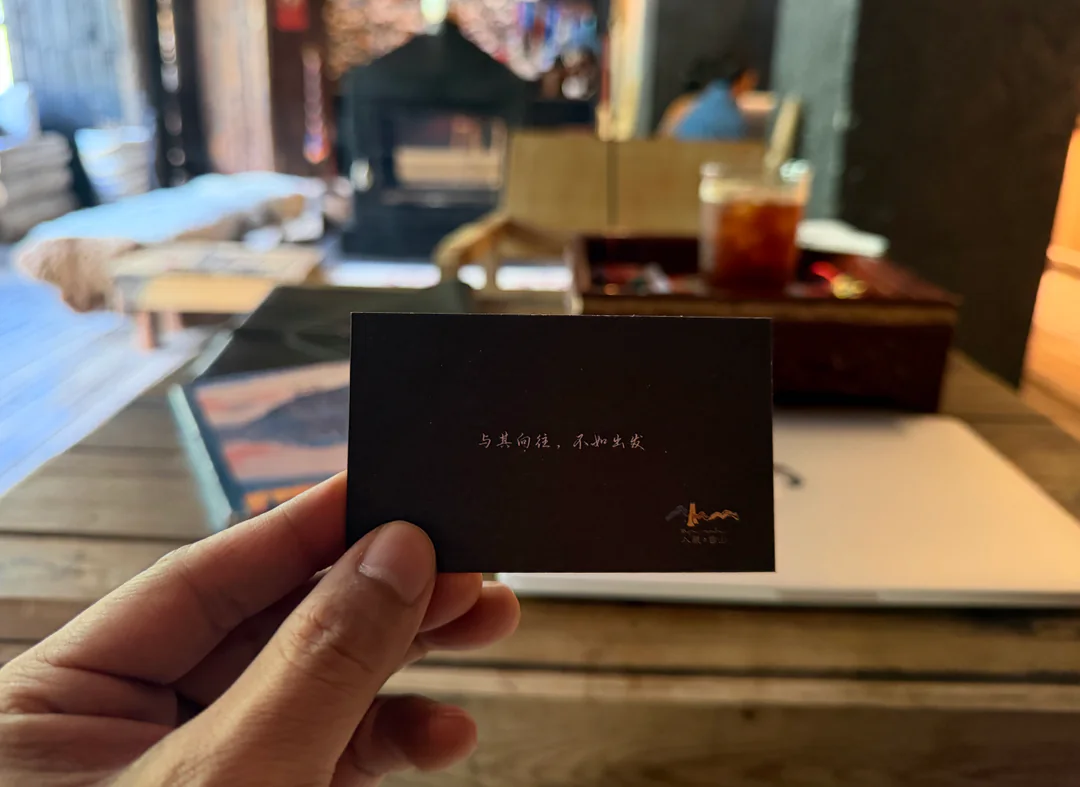
Before we met, we knew each other through a long string of WhatsApp messages. Eva asked many questions because she wanted to understand the route and every practical detail. Once we knew one another better, I teased her about just how many questions she had sent at the beginning.
I understood completely. When you travel to an unfamiliar country and entrust several days to someone you have never met, trust has to be built slowly, one small detail at a time. To me, this was the Western Sichuan I knew well. To them, it was the China they were about to experience for themselves.
They found us through ChatGPT. Once we met, Panda helped us communicate in the car: I spoke Chinese and it translated into English; they spoke English or French and it translated for me.
With Panda, conversations that might have ended with polite small talk began to travel much further.
A Mountain, a Few Flowers and a Game
A valley, a Tibetan village and an impromptu basketball game turned places on an itinerary into experiences we shared.
Shuangqiao ValleyThere Is More Than One Way to Love a Mountain
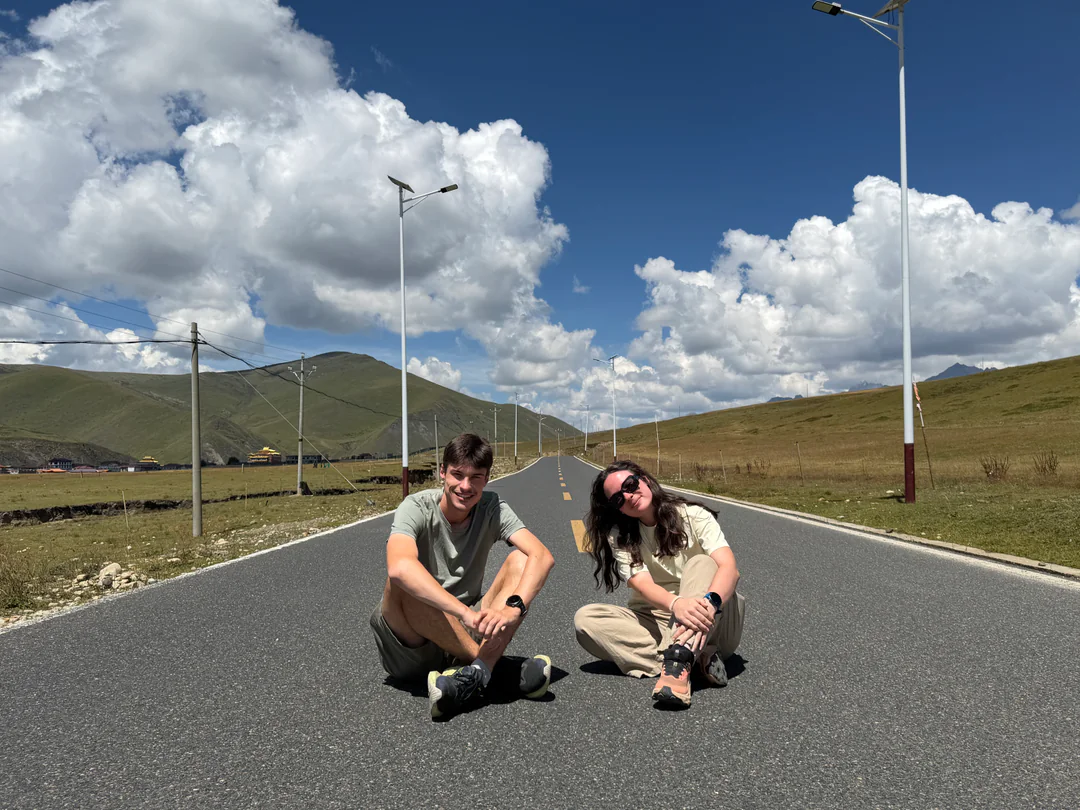
On 5 September, we left Chengdu for Shuangqiao Valley at Mount Siguniang.
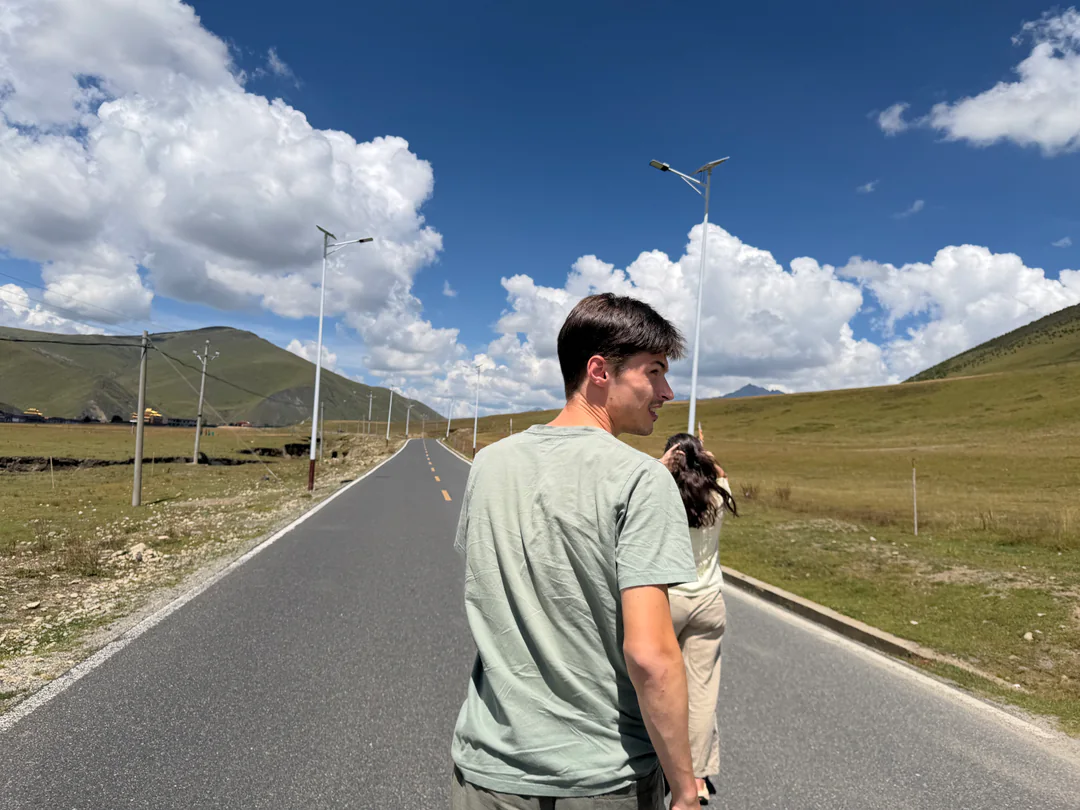
The city gradually fell away behind us. The mountains drew closer, and the altitude rose little by little.
They remembered the beautiful valley and its yaks—and the feeling of breathing more heavily than usual when they first reached 3,800 metres.
I asked what they thought of Shuangqiao Valley.
They said the scenery was beautiful, though the experience there was oriented more towards sightseeing. As keen hikers, they would have liked to climb higher and see the mountains from another angle. If they return to Mount Siguniang, they hope to include a proper mountain hike.
I appreciated their honesty. People can love the same mountain in different ways; only by hearing what someone truly felt can you understand how they want to travel.
I smiled and said that leaving one small regret also leaves a reason to return.
DanbaThe Trunk Was Real; the Flowers Were Not
On the second day, we reached Danba and visited a Tibetan family’s home. They later told me that without someone familiar with the area accompanying them, they probably would never have had the opportunity.
Seeing a house from across the road and actually being welcomed inside are two very different kinds of closeness.
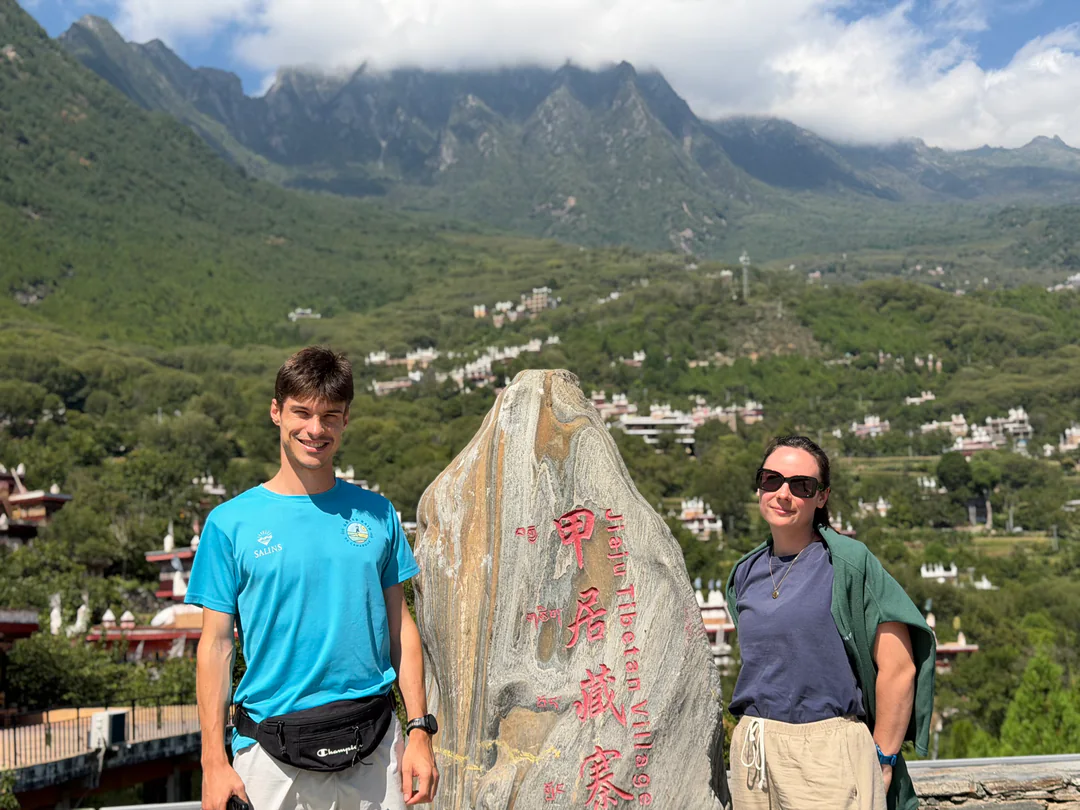
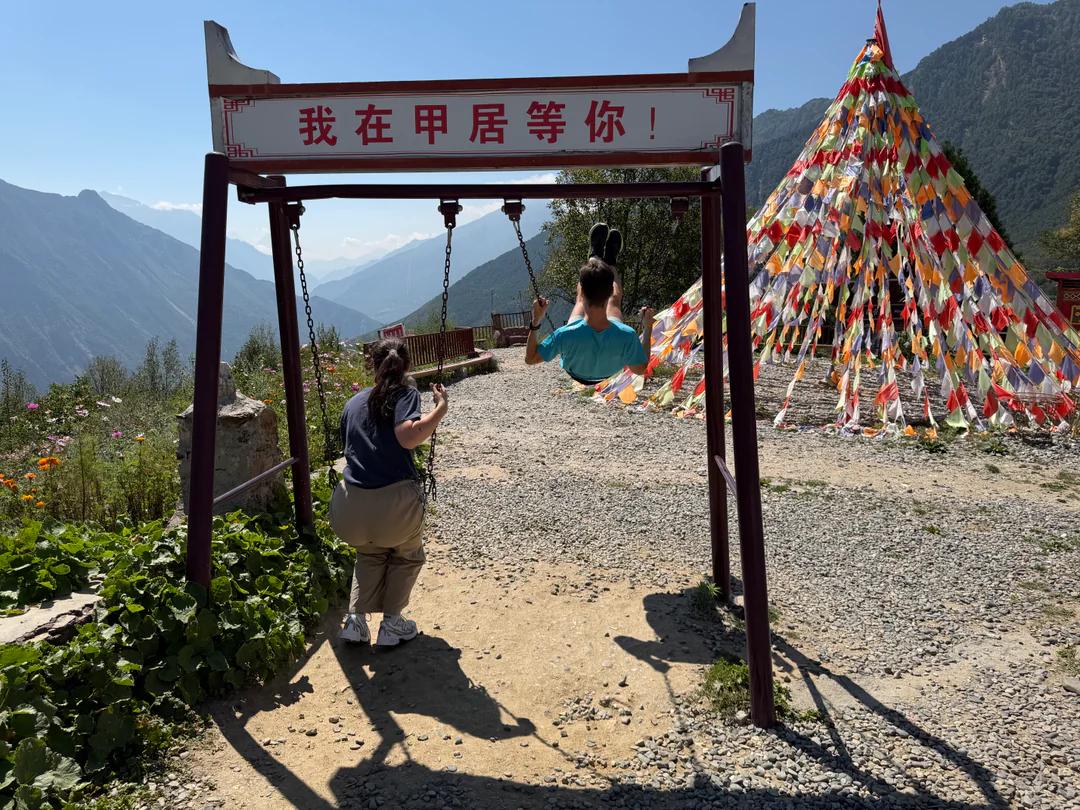
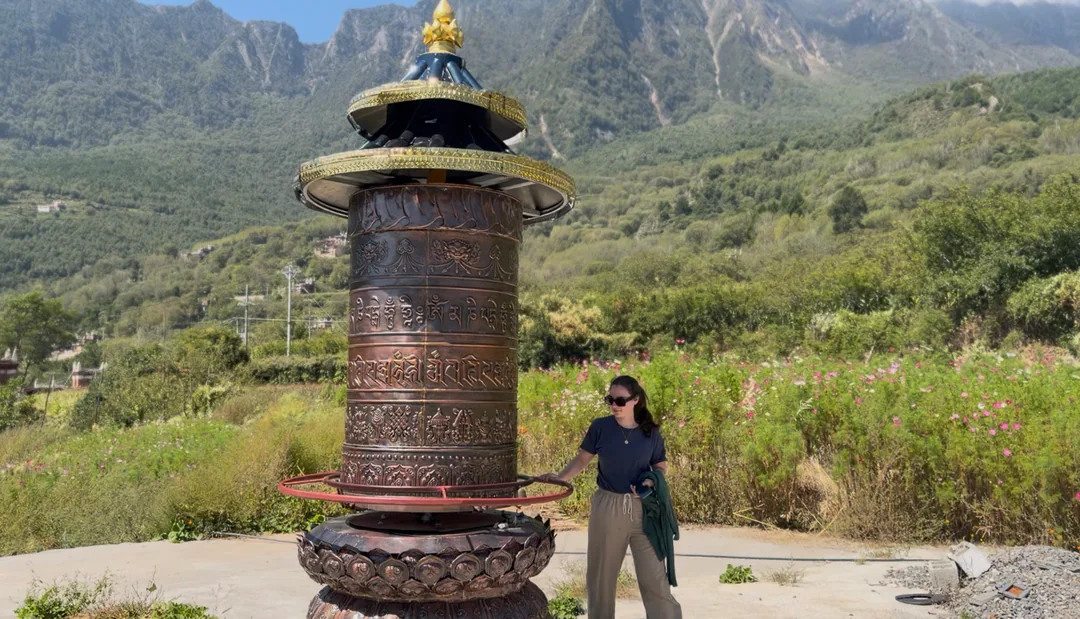
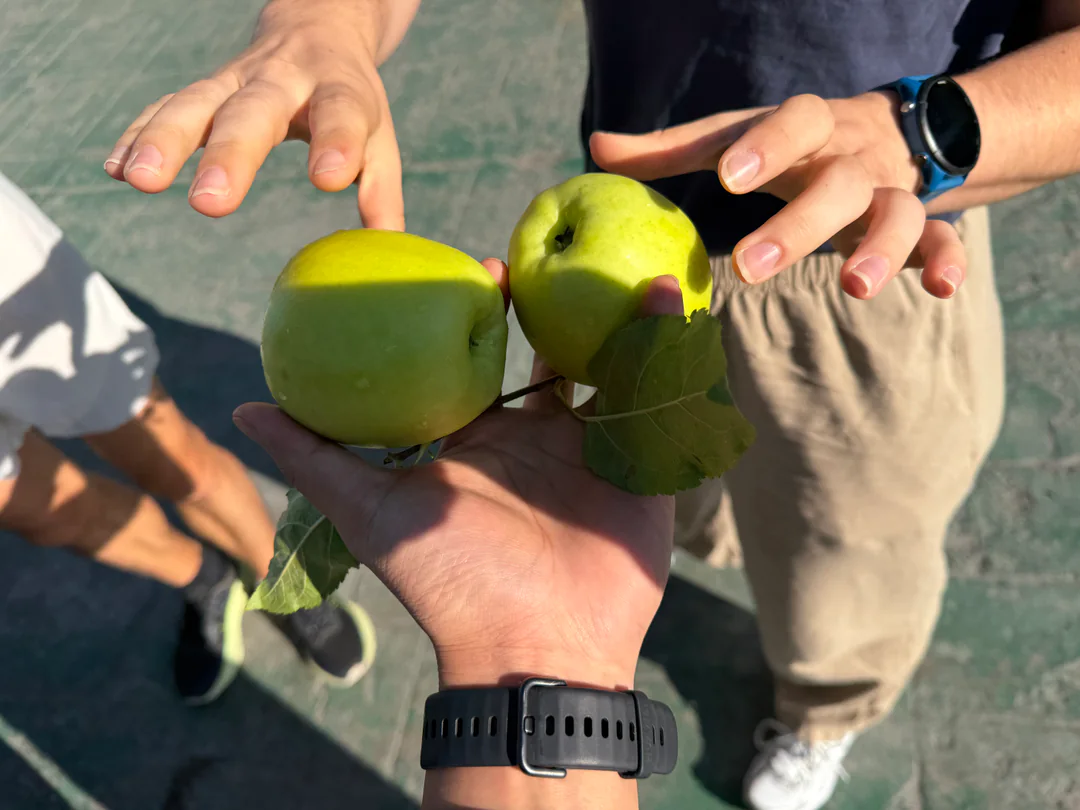
What we kept returning to afterwards was not any grand idea, but the flowers in the garden. Were they real or fake?
Somehow, that tiny question became a little bet. Each of us had an opinion, and no one could convince the others, so in the end we asked the homeowner. The answer was perfect for a draw: the trunk was real, but the flowers were fake.
Each side had been half right and half wrong, so we had to call it a draw. After all the mountains and rivers we saw, that tied wager over a few flowers became one of the memories that belonged only to us.
On the Road to Moshi ParkA Game and a Snow Mountain
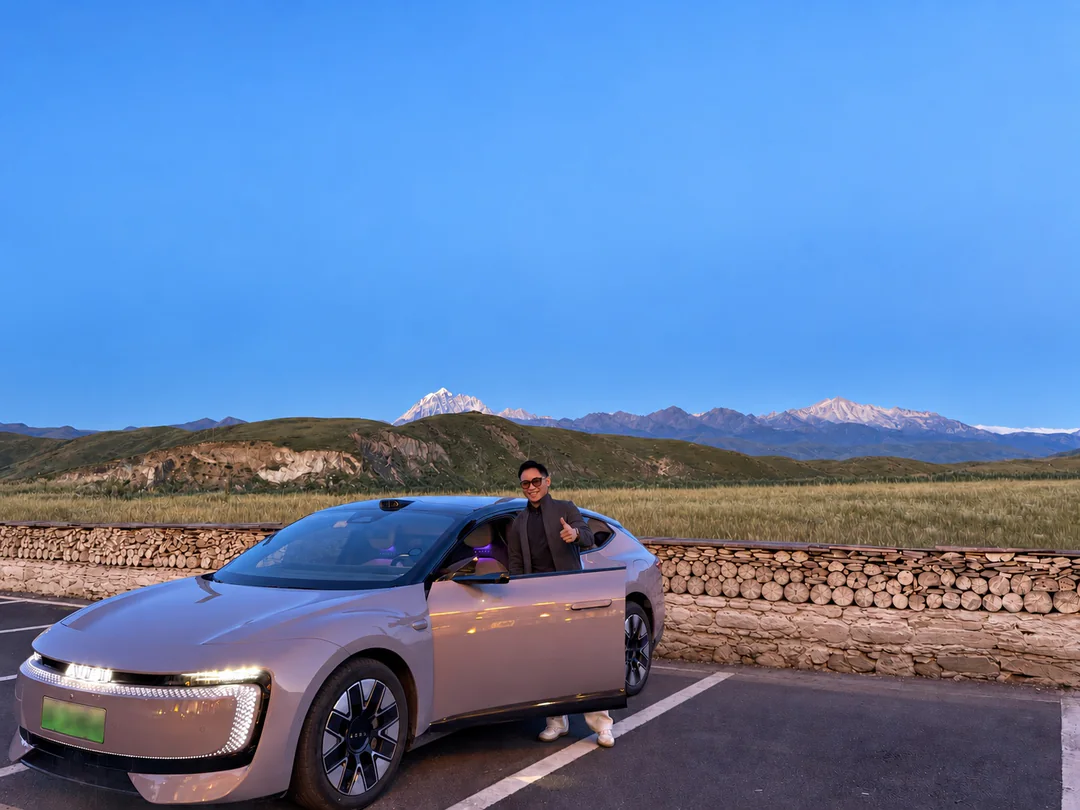
On the way to Moshi Park, we played basketball with some local boys and stopped to see Yala Snow Mountain.
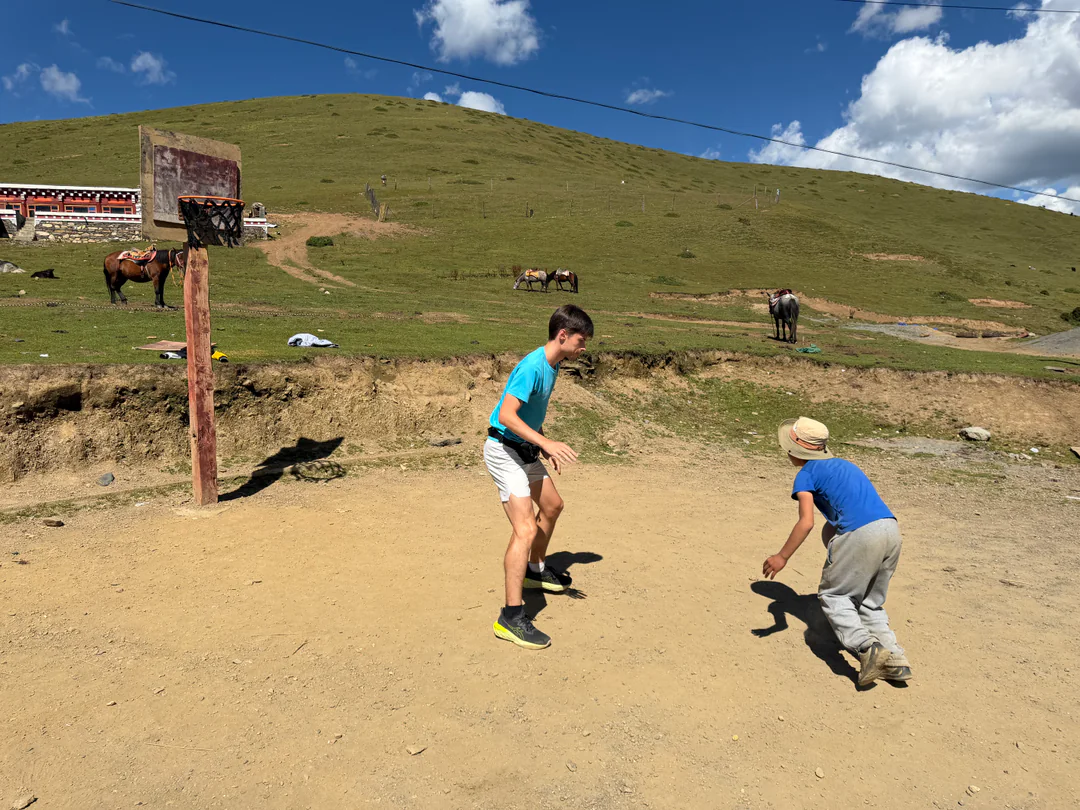
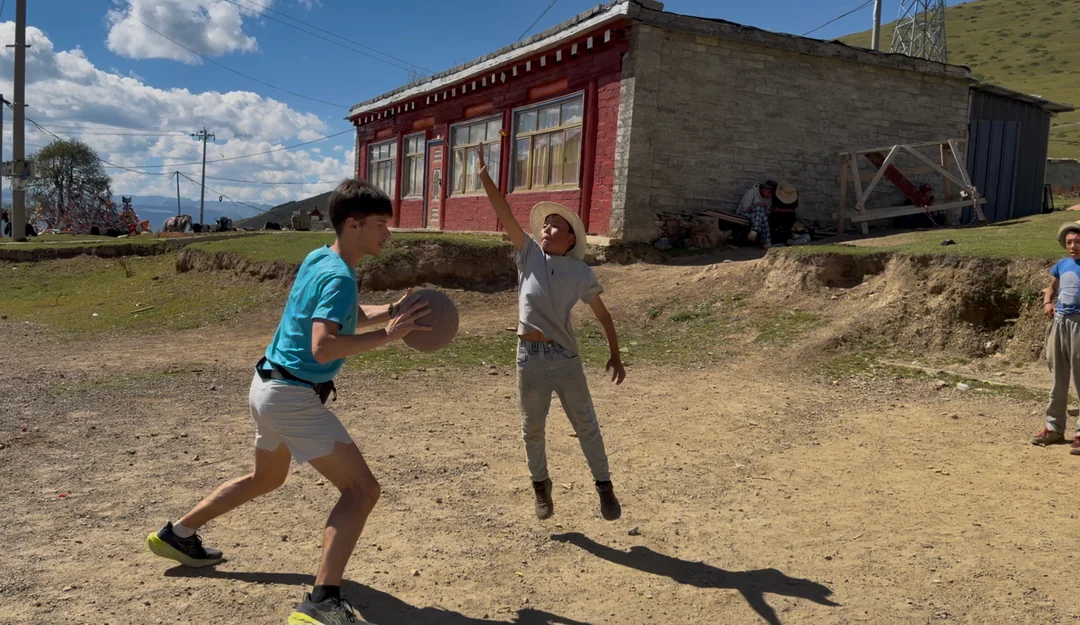
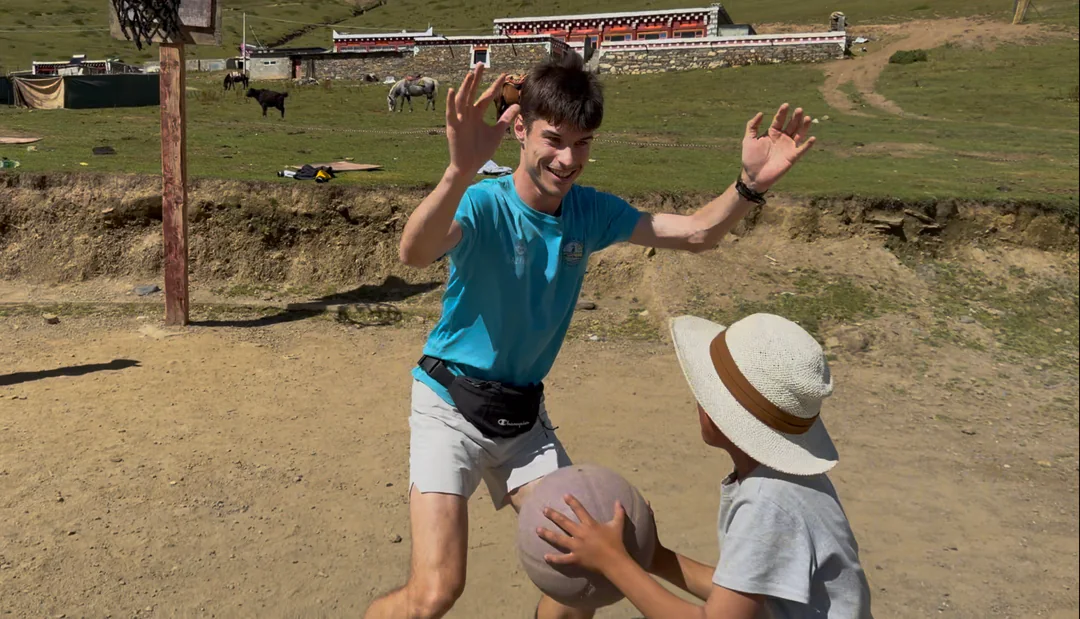
When we looked back on the journey on the final day, they remembered the mountain’s name exactly. I was surprised. “Wow—you remembered!” I said.
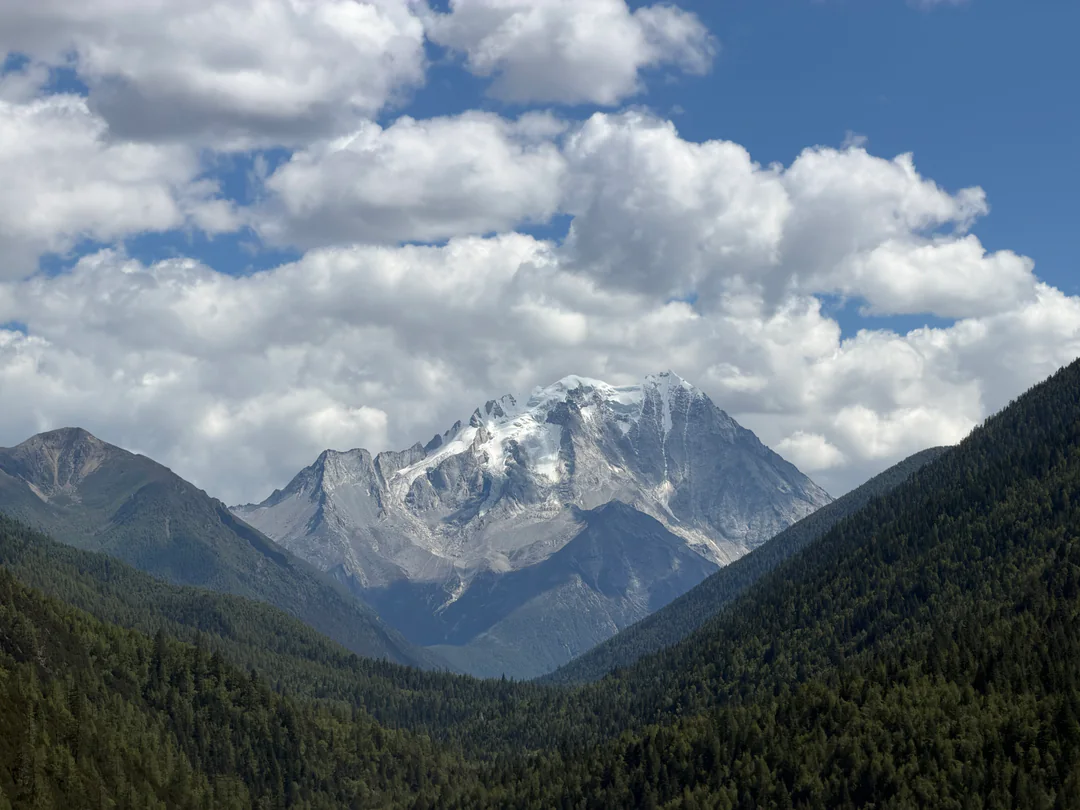
Of course they remembered, they said. The whole route had been beautiful.
The mountains gave us grandeur; the game gave us noise and laughter. We reached the destinations on our itinerary without missing the encounters beyond it.
Passing a Celebration, Joining the Dance
One light-hearted “Why not?” linked a celebration, a hot spring and an evening dance circle in Kangding into a series of unplanned gifts.
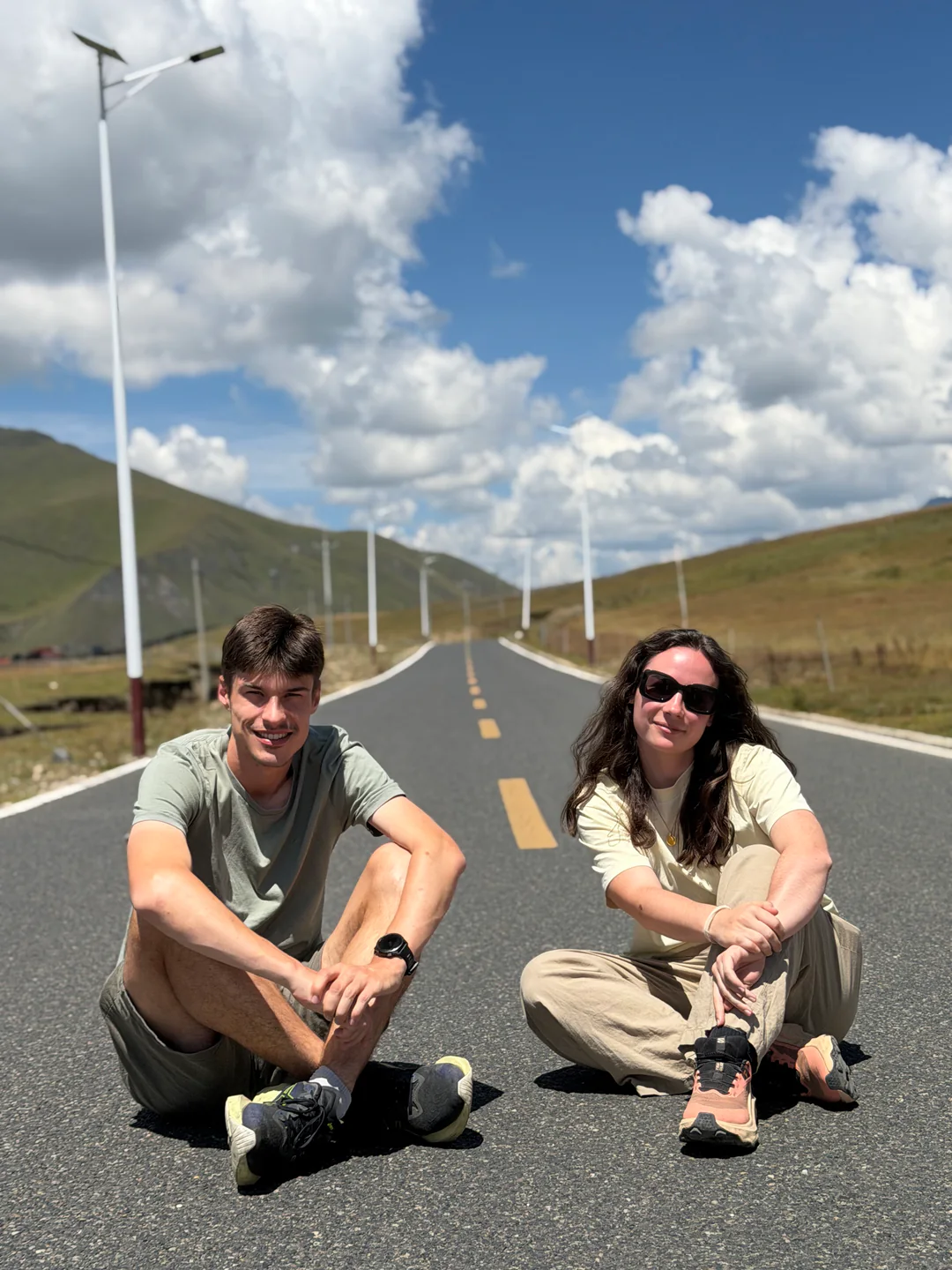
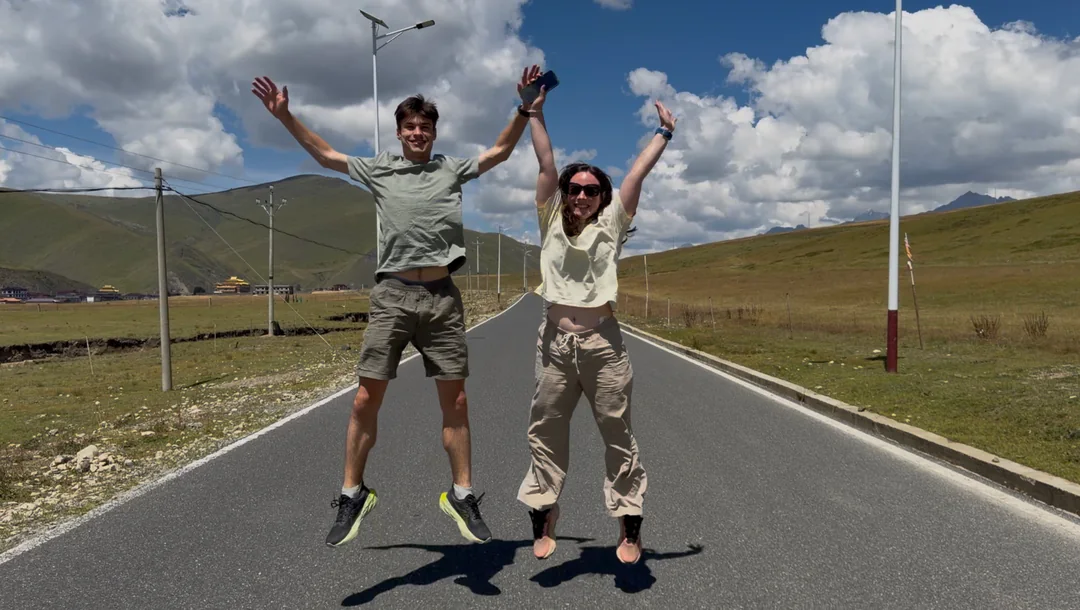
Eva was the first to say, “Why not?”
Before the celebration on day three, we had been discussing the following day in the car. I suggested a small detour on the way to Kangding so I could take them to a natural hot spring. It would add some distance, I explained, but there would be no extra charge.
Eva thought for a moment, then said brightly, “Why not?”
Of course I understood the words. Yet something about the easy, matter-of-fact way she said them struck me as unexpectedly funny. When I laughed, Eva and Martin began laughing too. None of us knew that this ordinary phrase was about to become our private refrain.
The CelebrationFrom Watching at the Edge to Staying a Little Longer
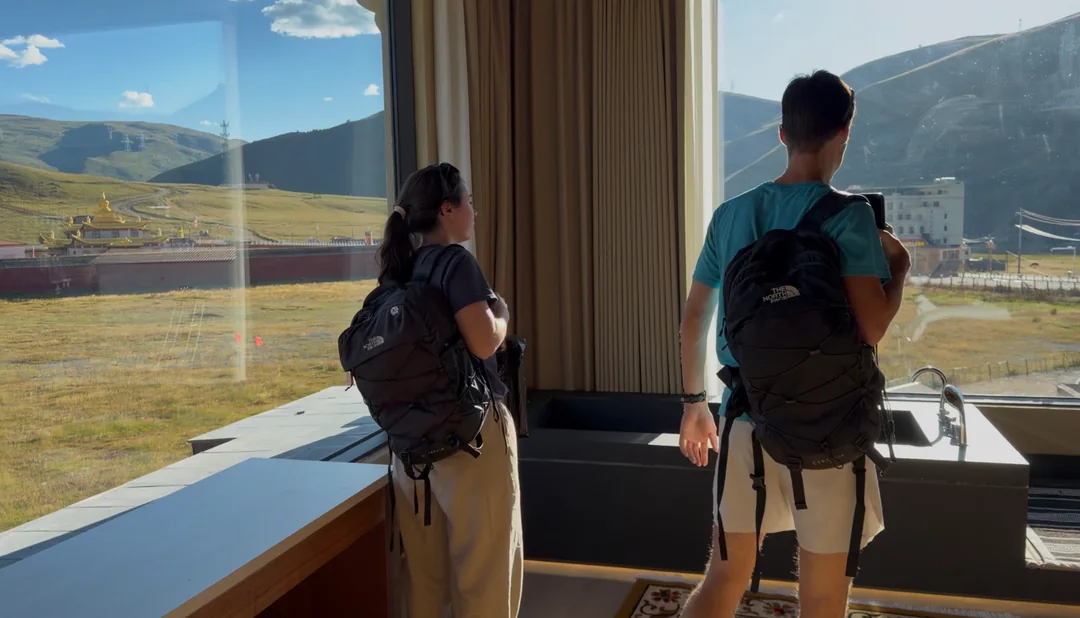
On the third day, we came across a celebration at a monastery. There were performances and people who had travelled from far away; the gathering would continue for three days.
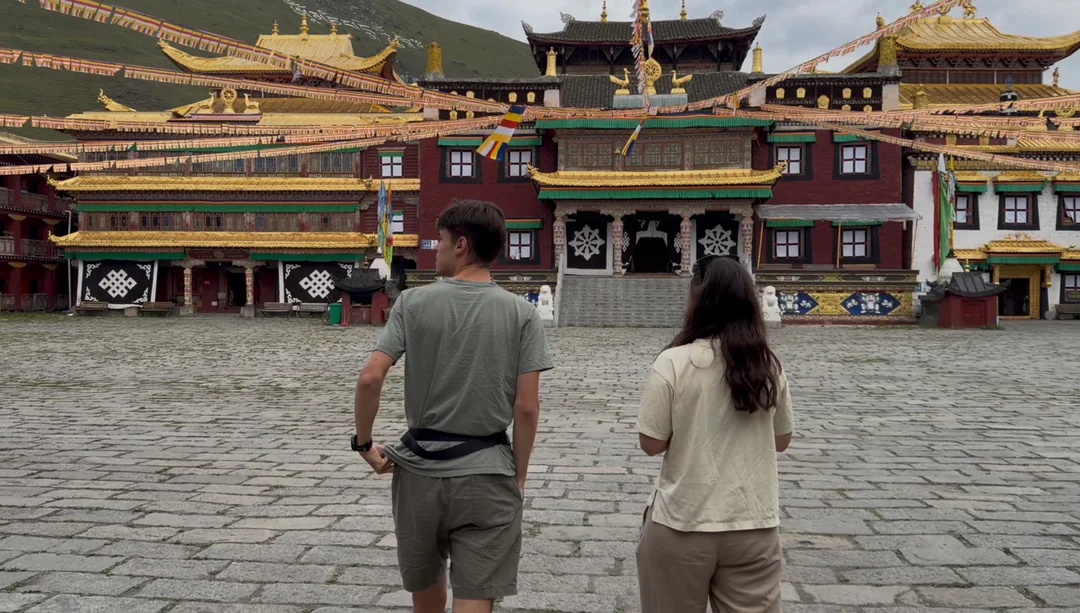
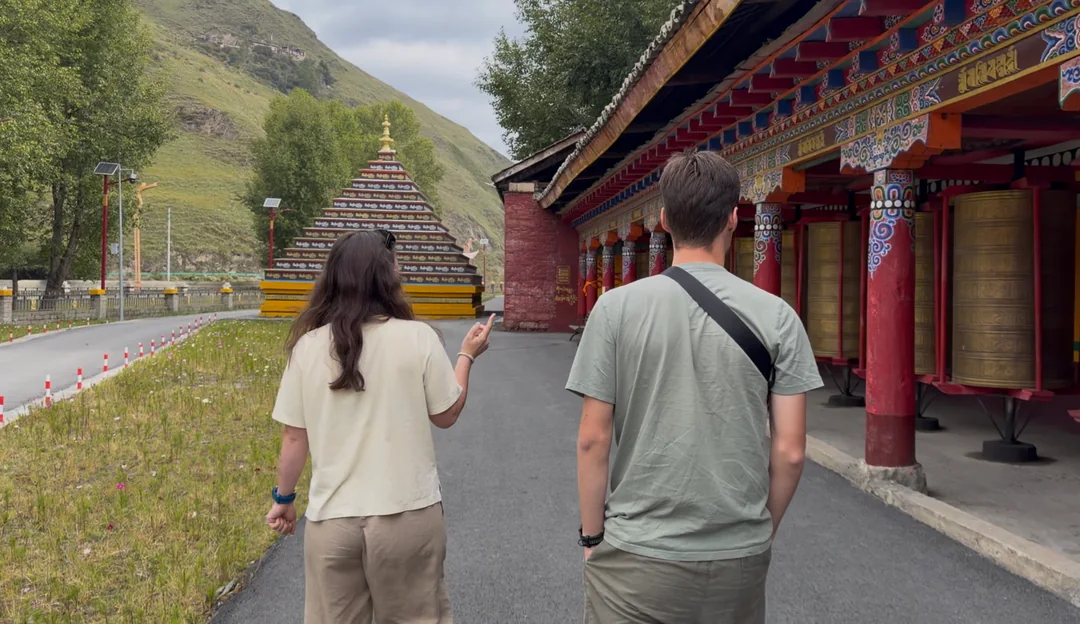
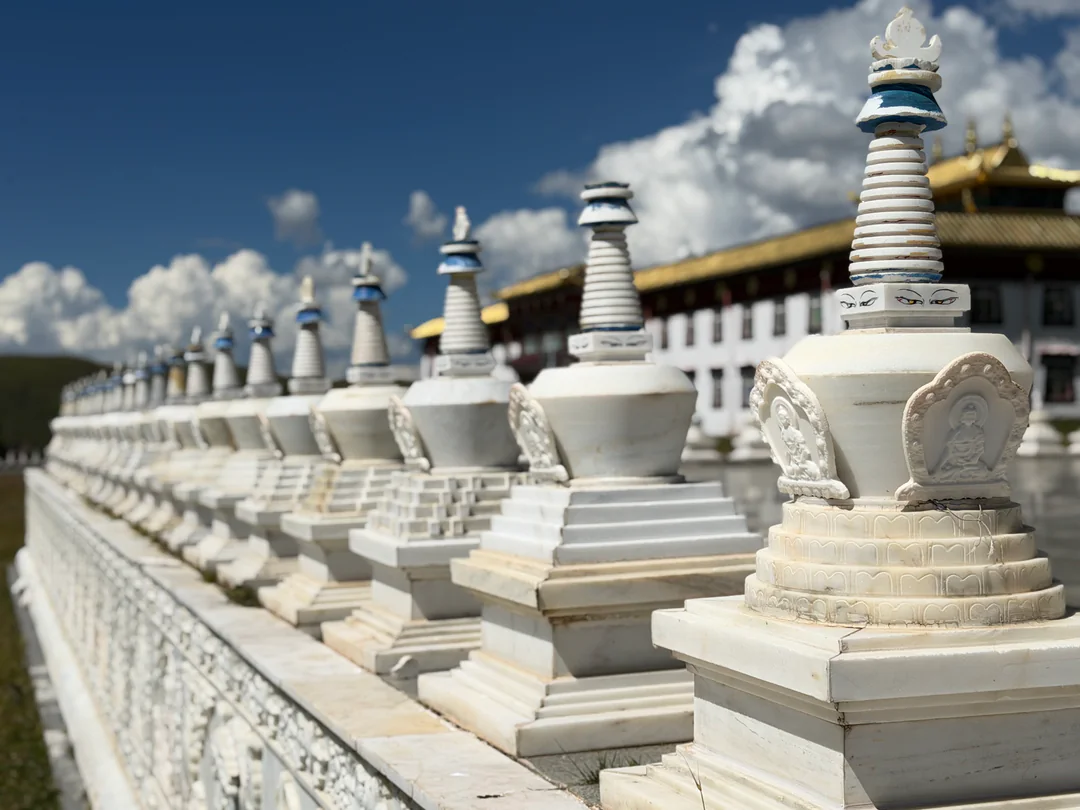
People had come with their own expectations, rituals and reunions. We happened to pass by and were able to watch quietly from the side. On an ordinary visit to a monastery, you mostly see the architecture. On a day like this, you also see how people remain connected to it.
We wondered whether to stay a little longer.
Imitating Eva’s tone, I replied, “Why not?”
They laughed as soon as they heard it. For the first time, Eva’s answer had become our shared joke.
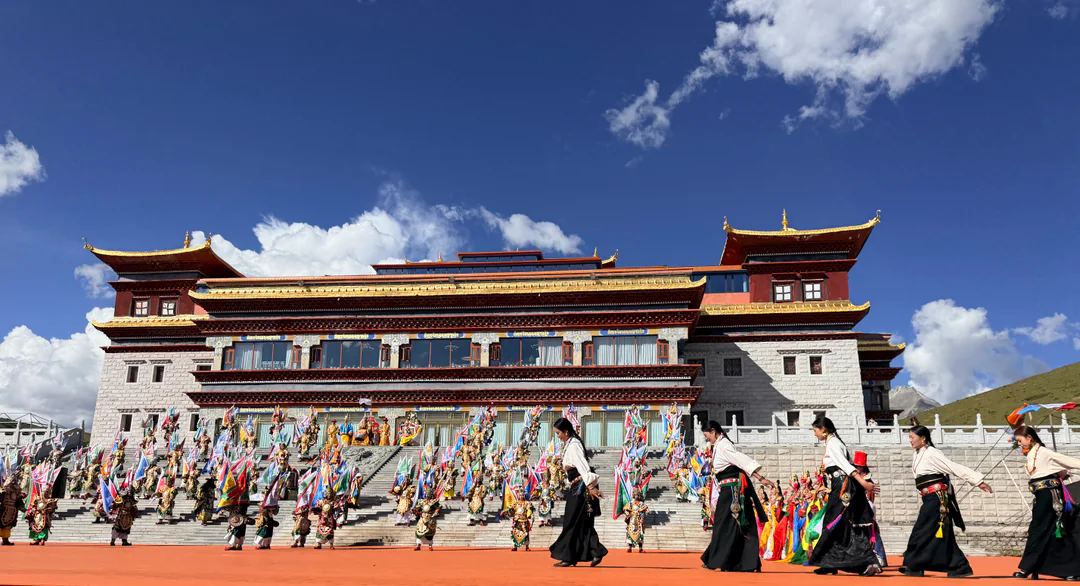
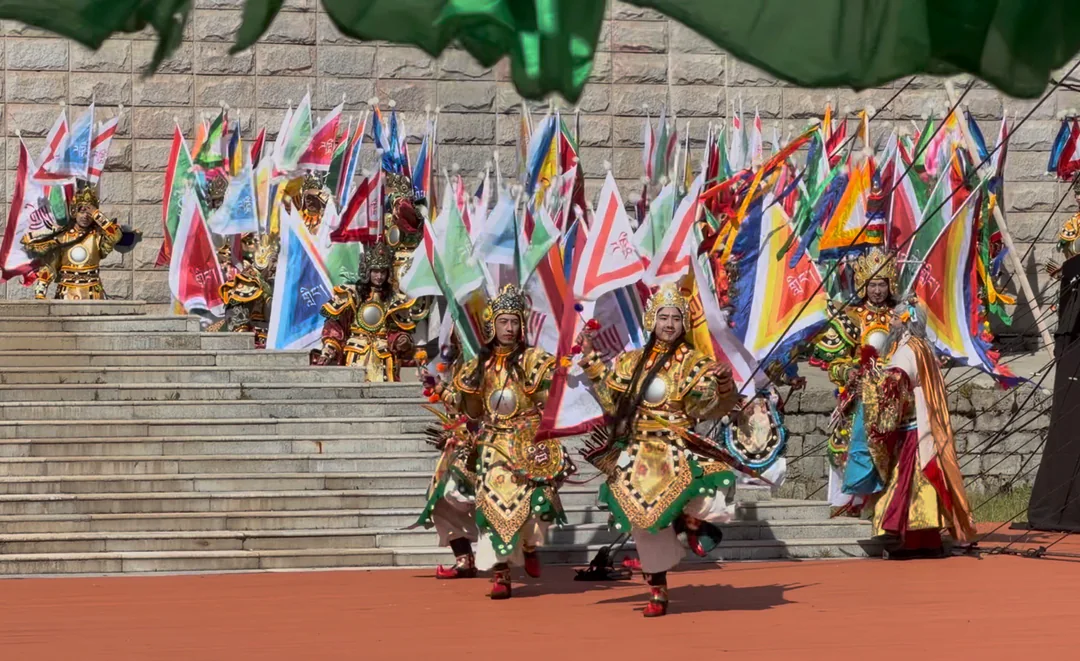
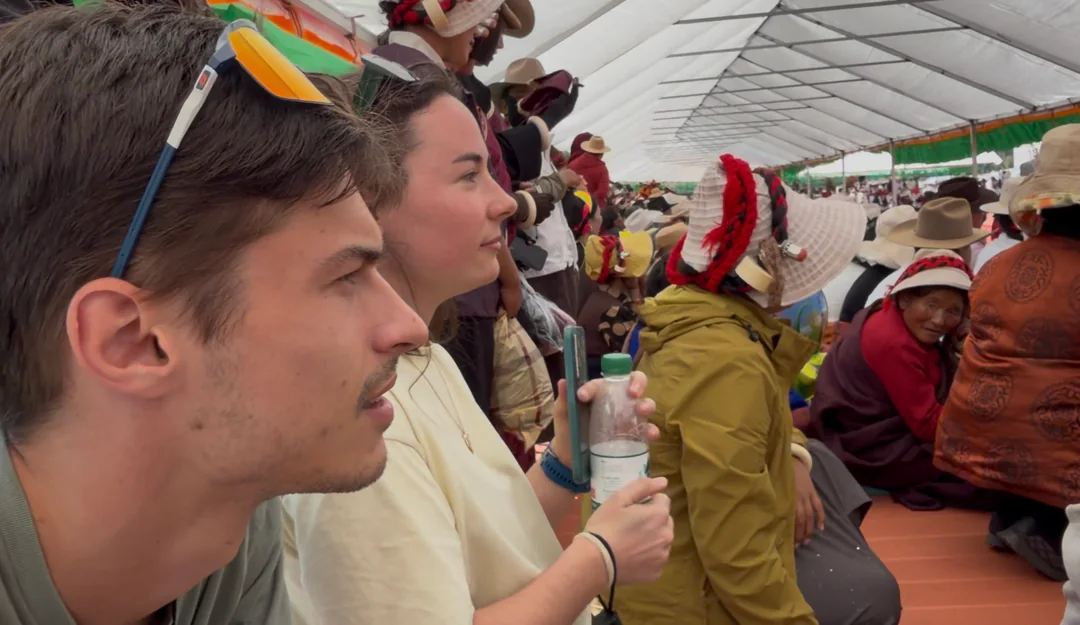
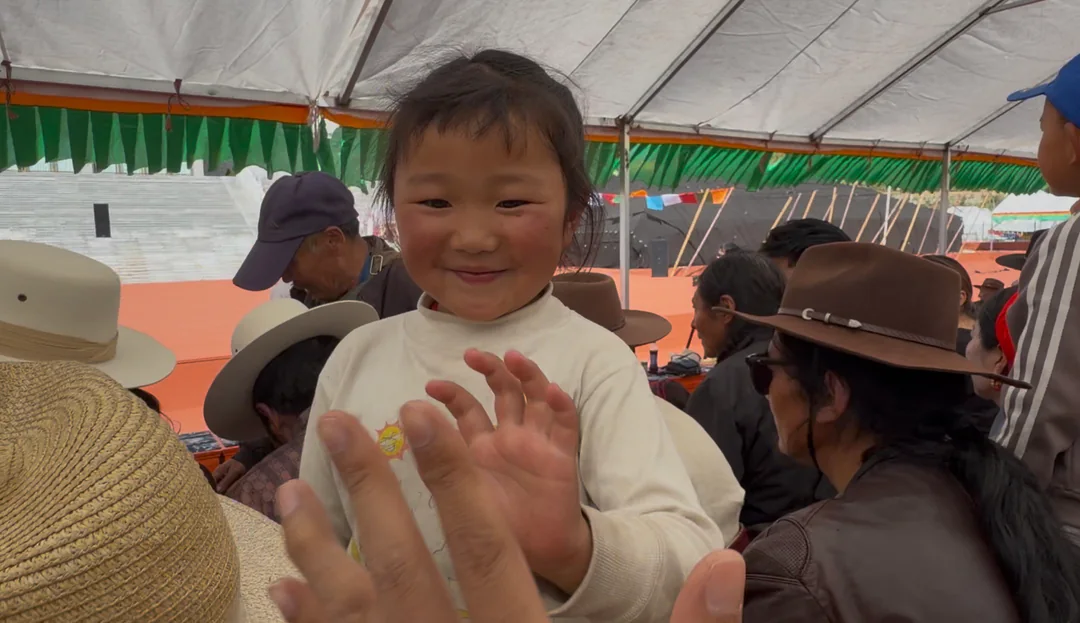
When we later looked back on day three, that ceremony was one of the first things they remembered.
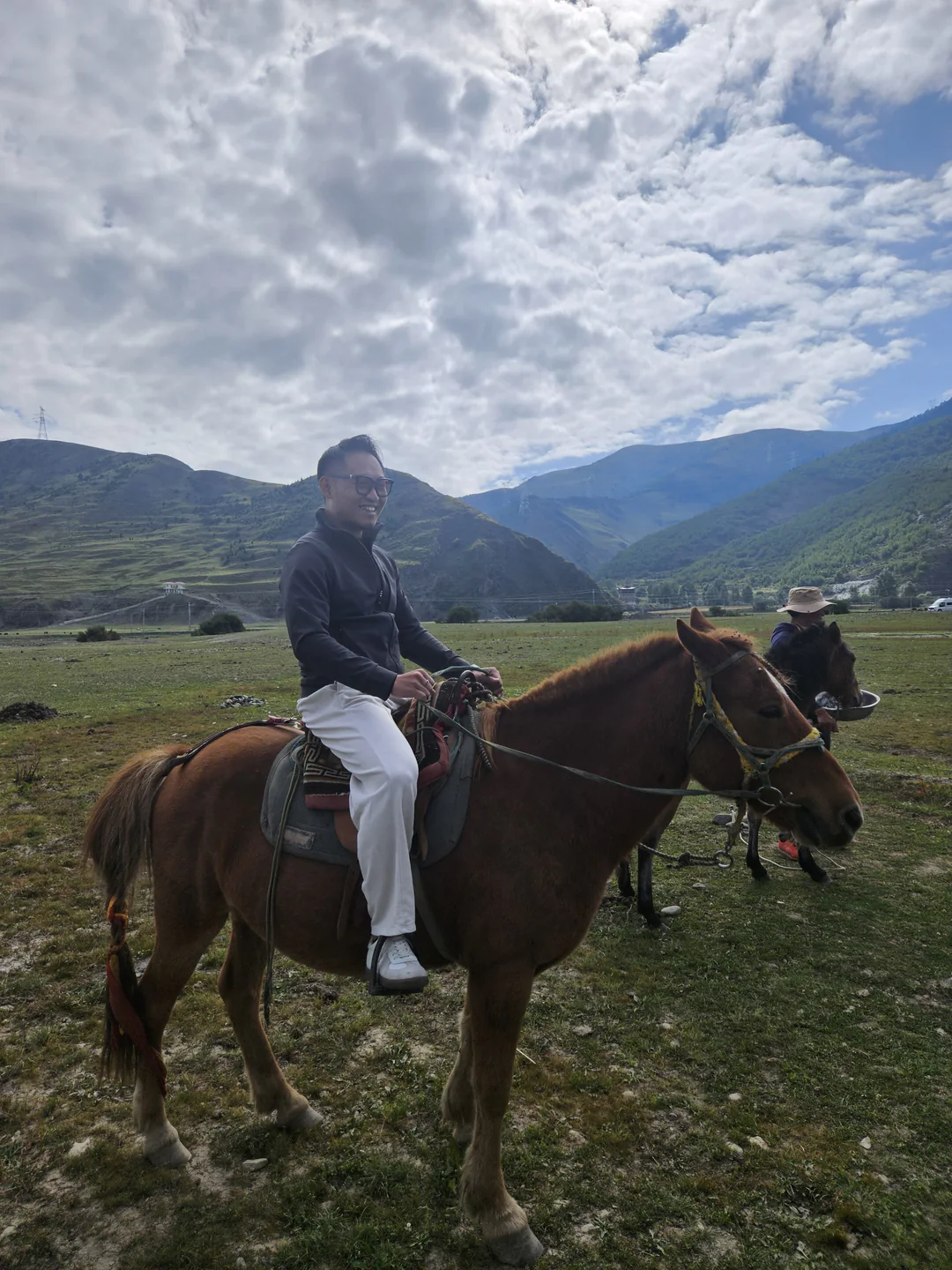
I rode a horse that day, though they chose not to join me. On the way back, I told them, with a little regret, “It would have been great if you had ridden with me.”
They laughed and said perhaps not—they might have fallen off.
Without missing a beat, I replied, “Good thing we bought insurance.”
Good thing we
bought insurance.
Zhonggu and KangdingThe Next Stop for “Why Not?”
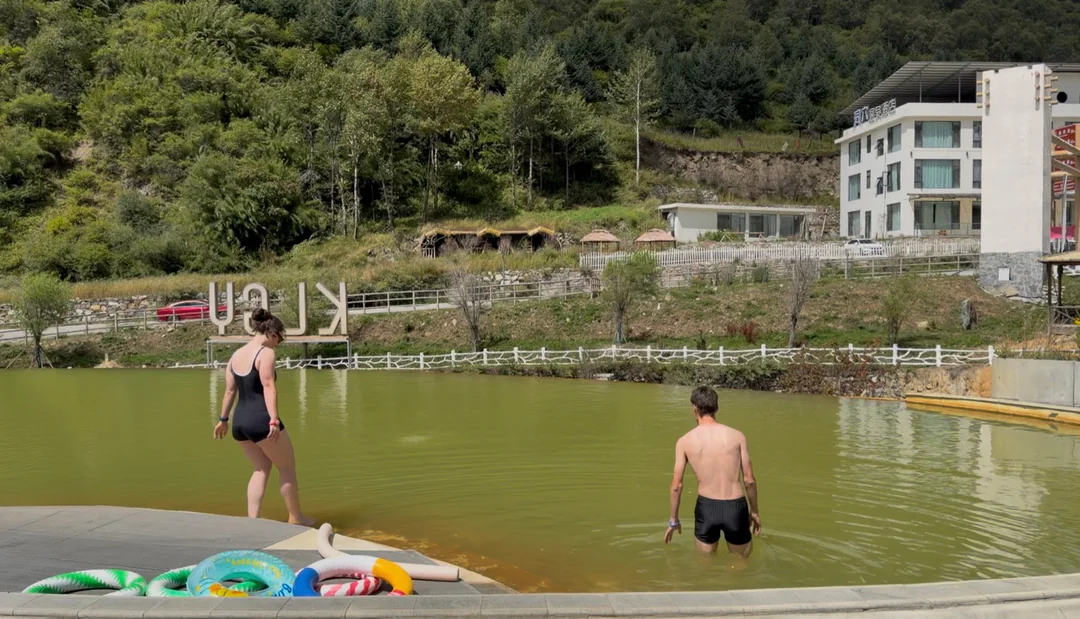
On the fourth day, we did make that small detour to a natural hot spring in Zhonggu before continuing to Kangding. After several days of moving and exploring, we could finally slow down. They liked not having to hurry towards the next stop; rest itself could be part of the journey.
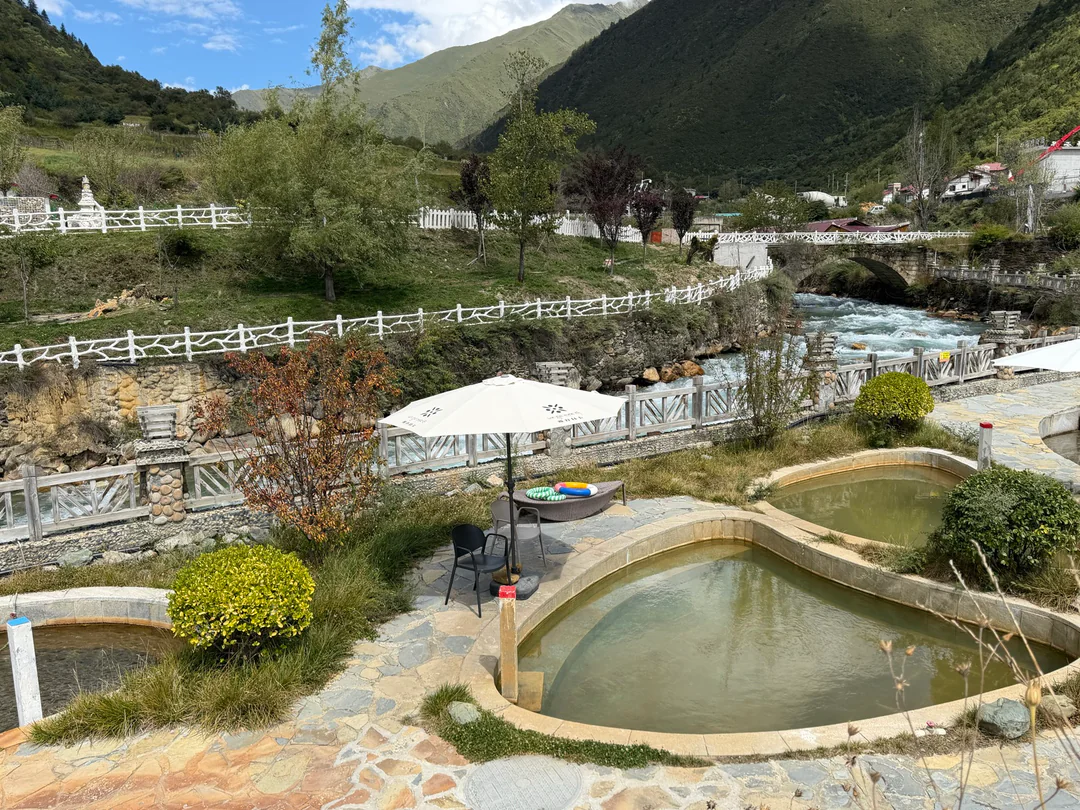
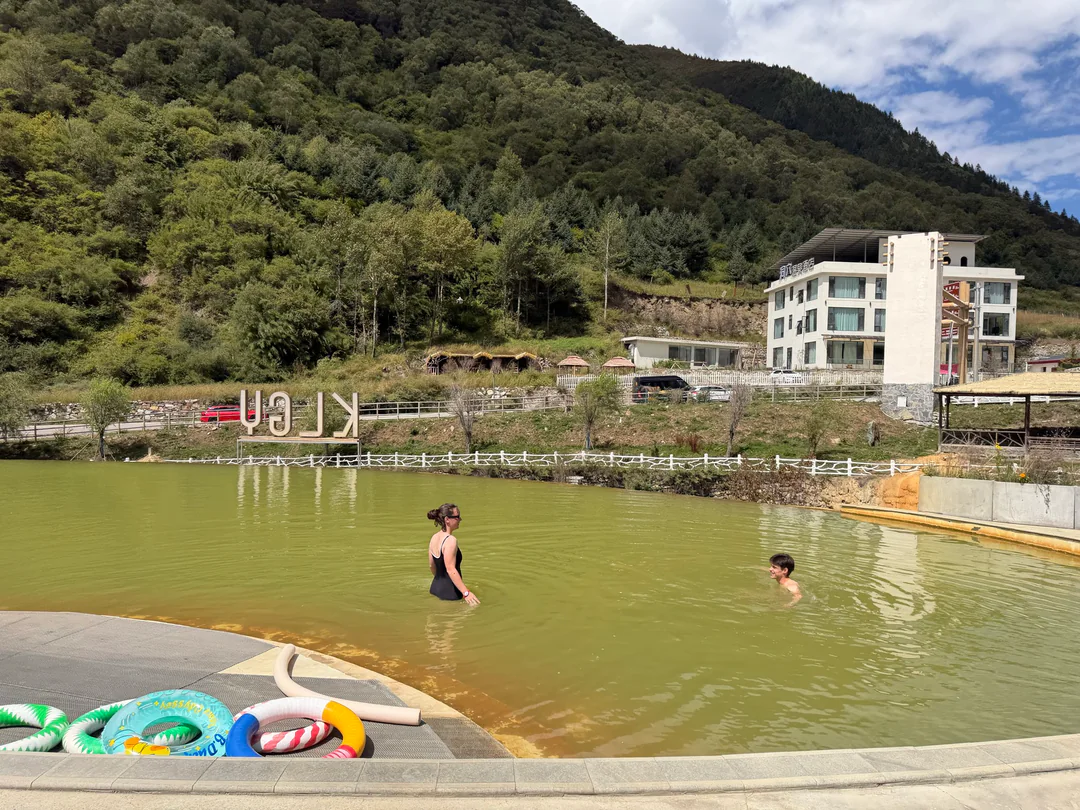
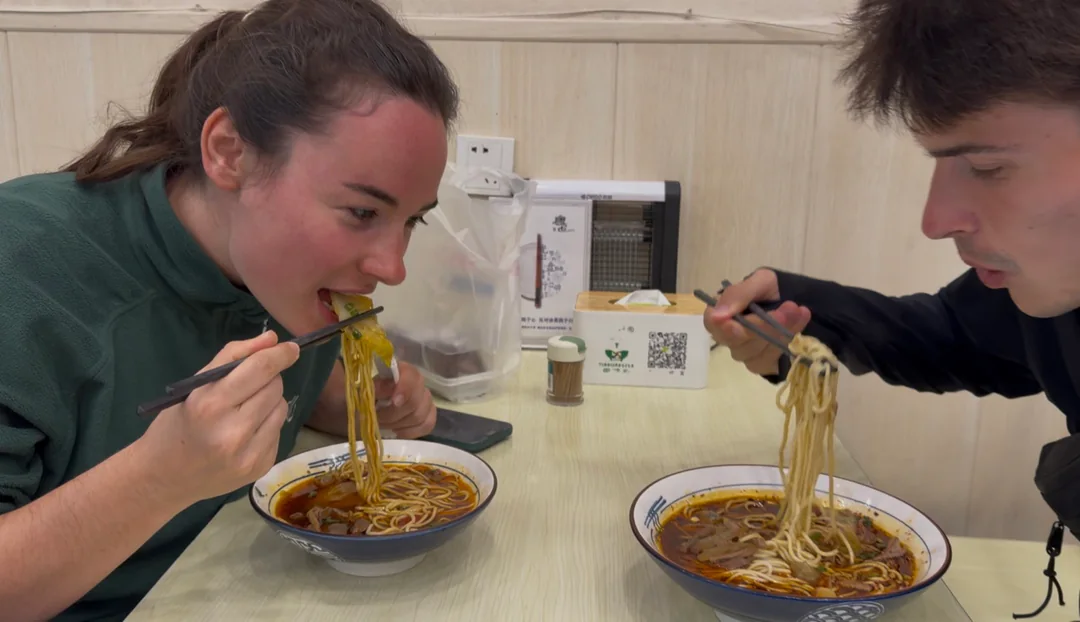
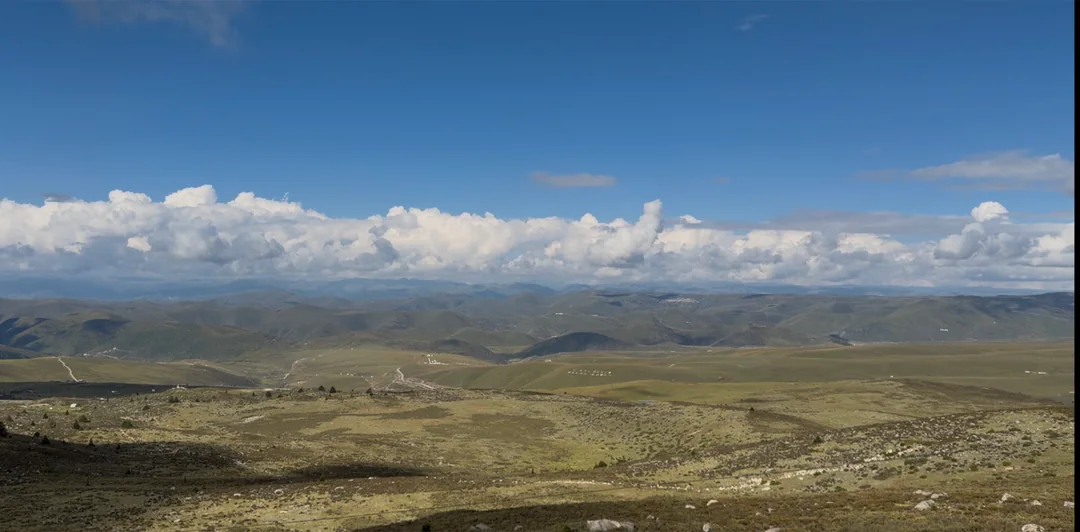
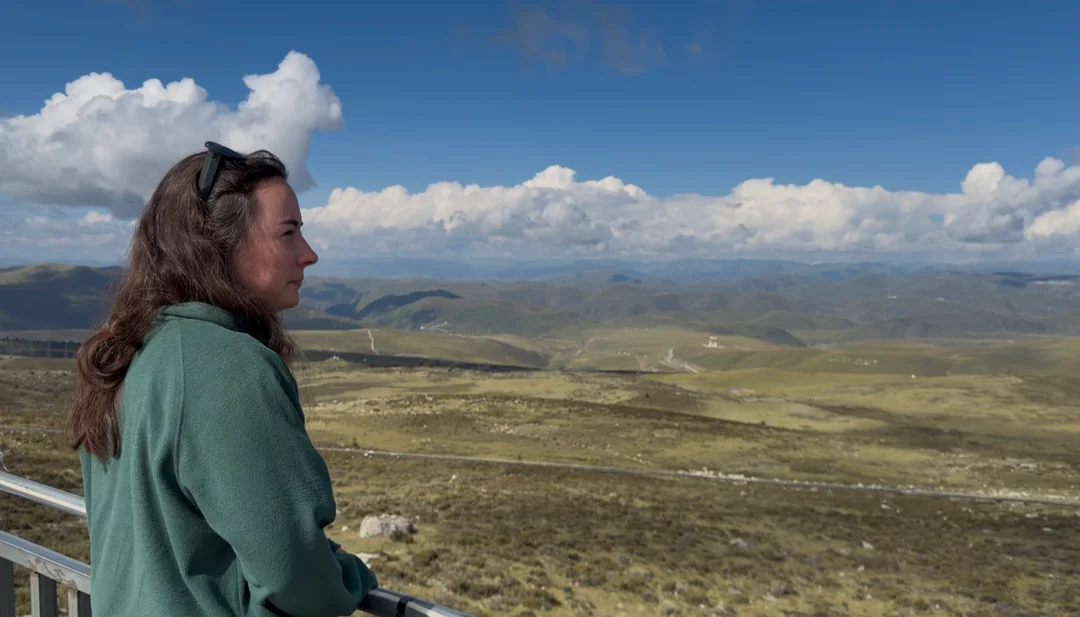
Something else surprised them. When we later reached 4,300 metres, they felt less discomfort than they had at 3,800 metres on the first day. They could not say whether they had acclimatised or whether something else explained it.
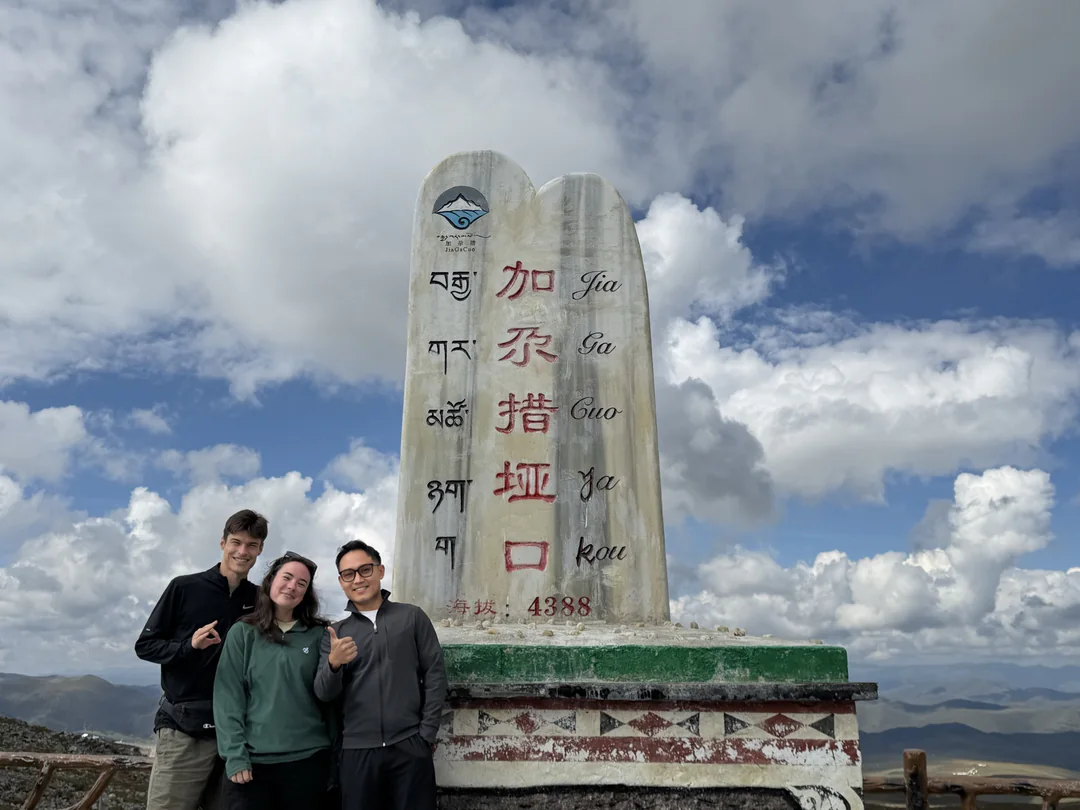
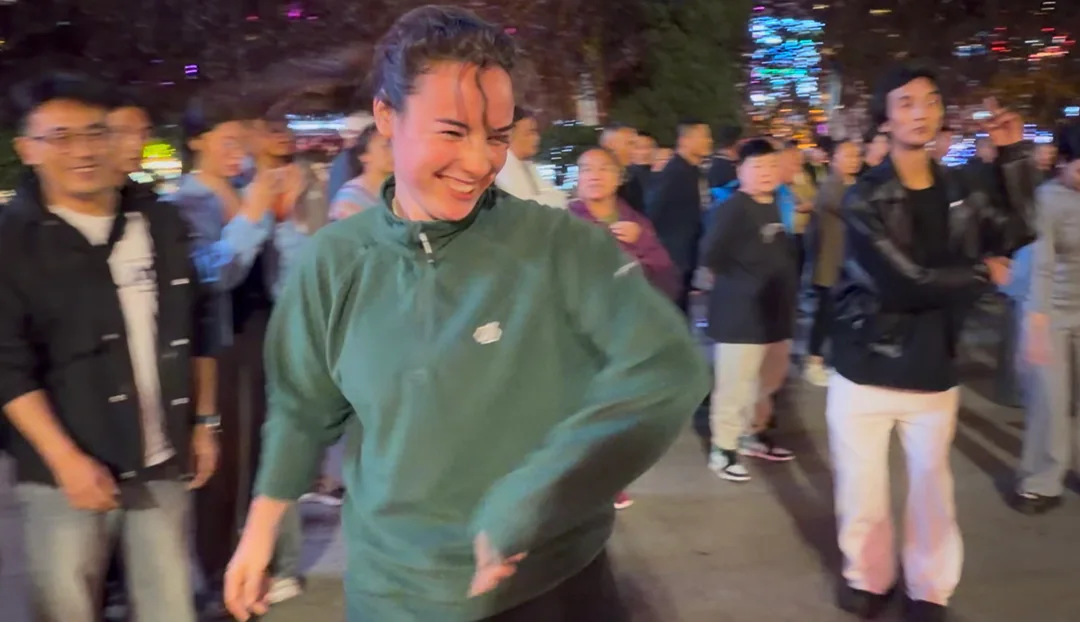
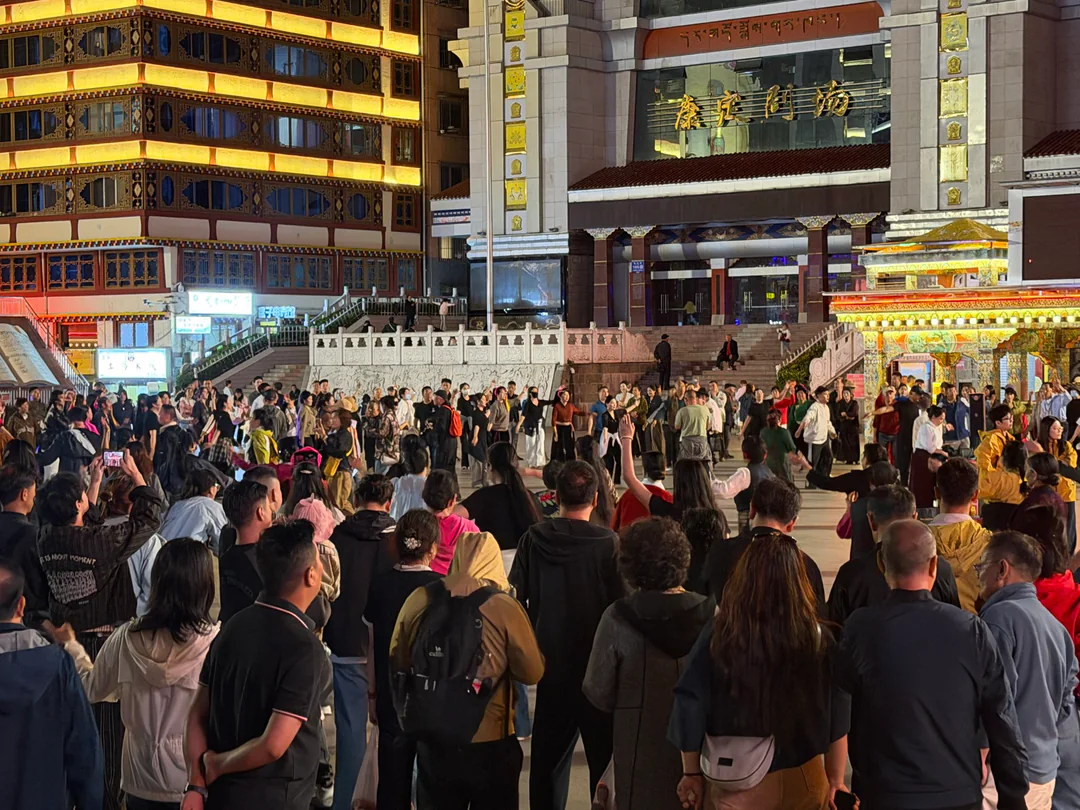
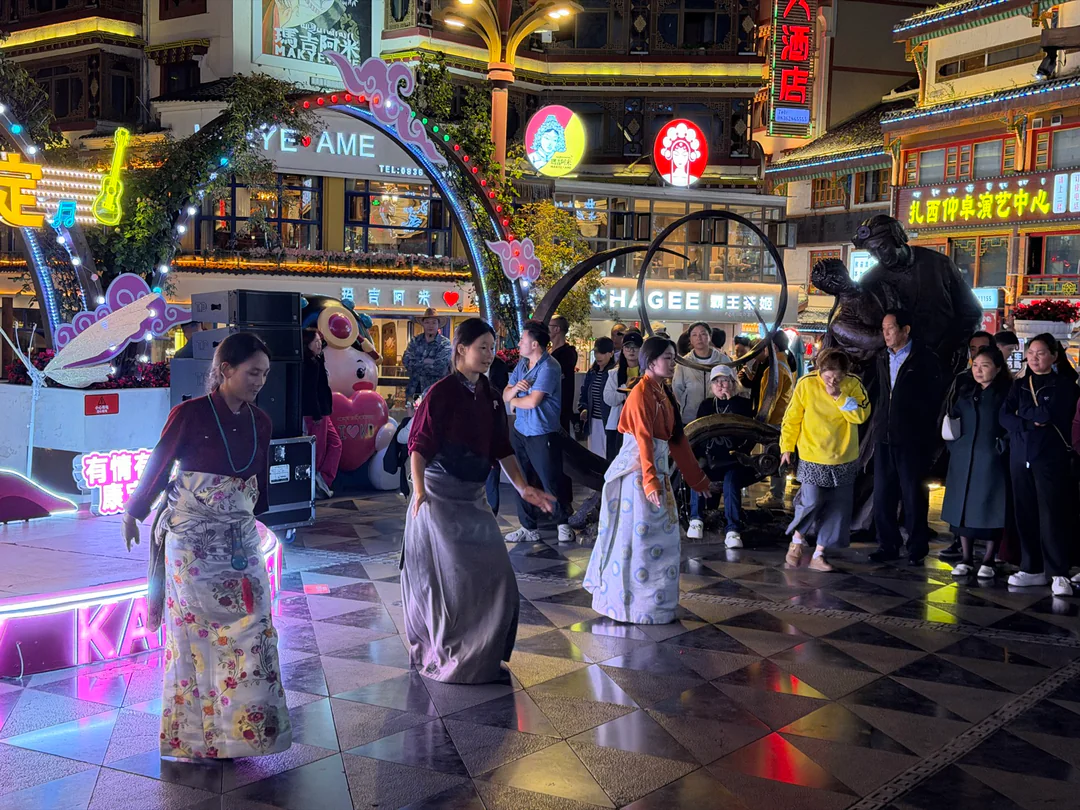
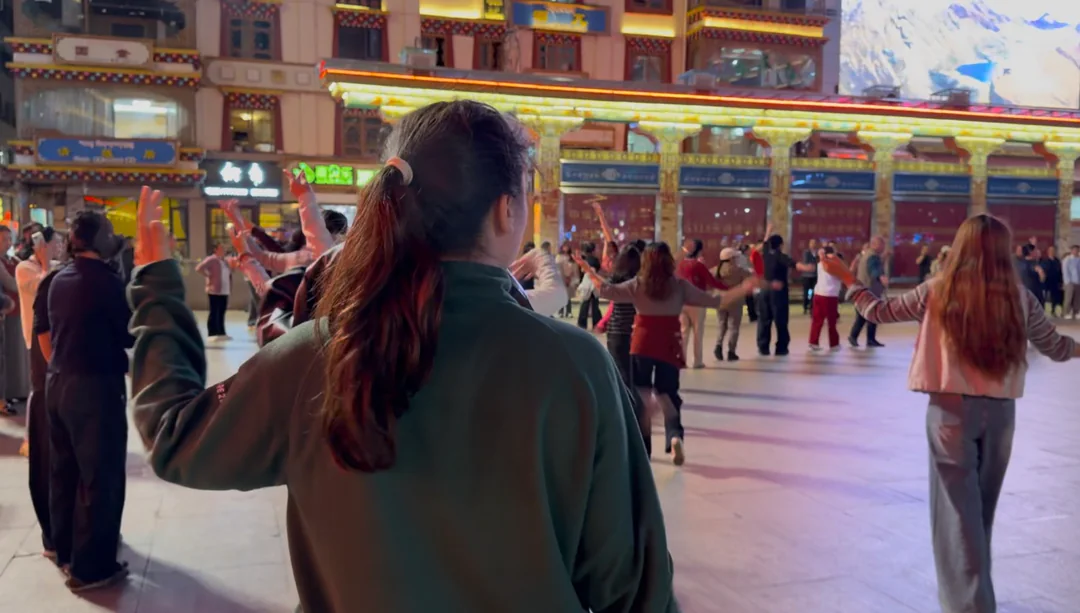
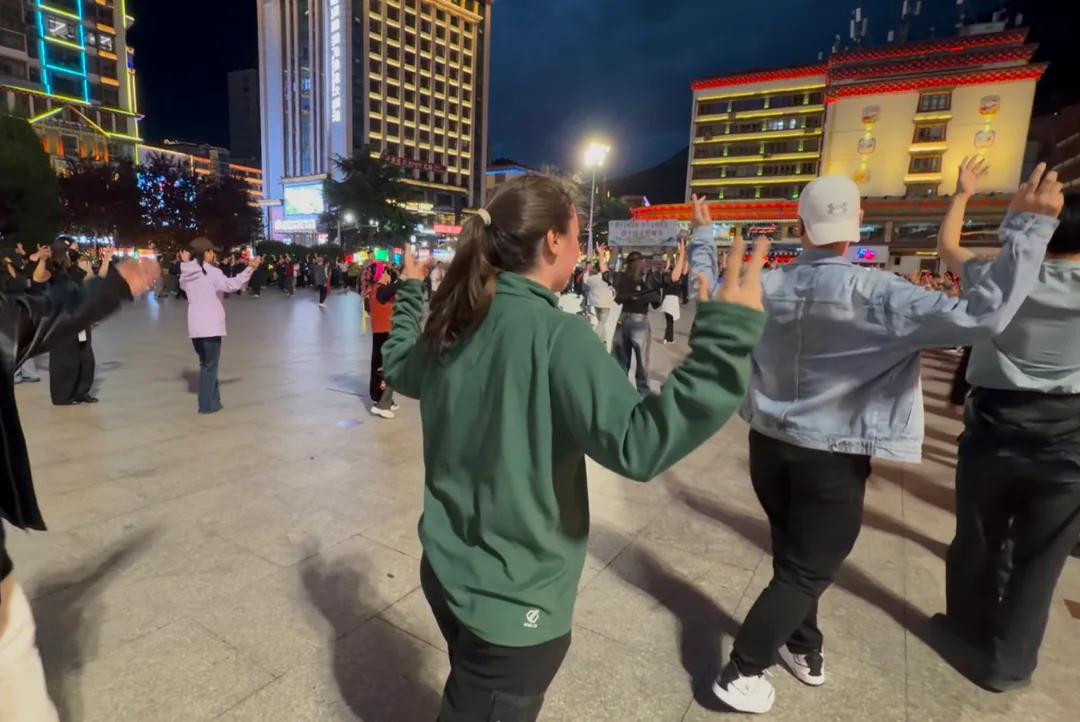
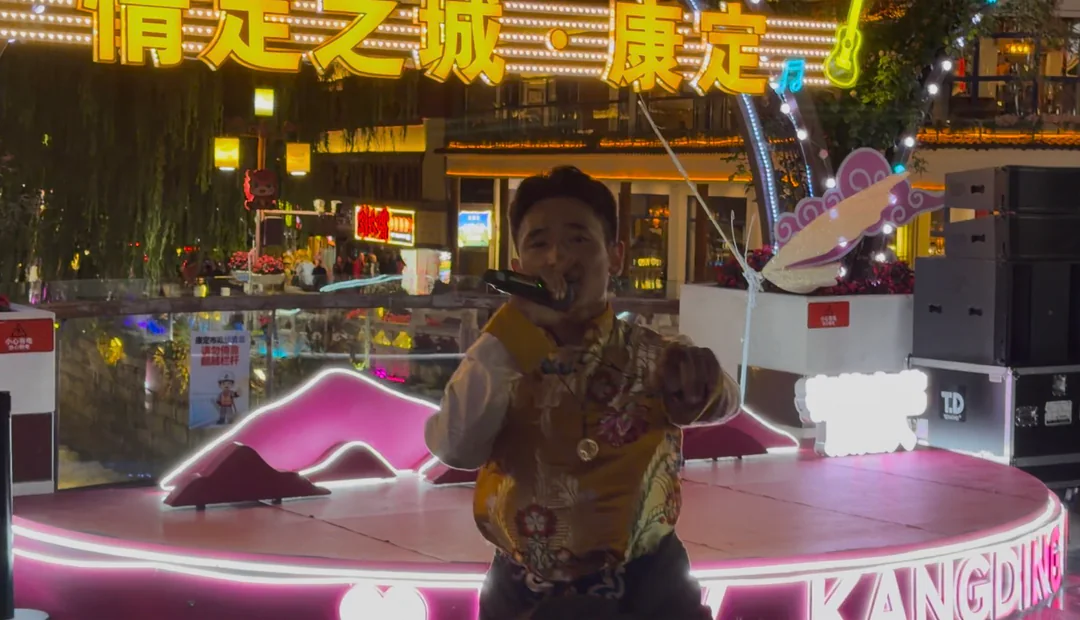
That evening, we saw local people dancing together. I said to Eva, “Let’s join them—it’s free, after all. Why not?”
At the now-familiar words, they laughed again.
And then Eva really did step into the crowd. She went around the dance circle three times, growing more confident each time. She said she was beginning to understand the steps and loved this kind of public dancing because it brought complete strangers together.
Why
not?
From then on, whenever an unexpected idea came up, I would deliberately say it again: “Why not?” Every time, it made them laugh.
A Runner and a Mind Full of Questions
Martin used running to quiet his mind. Eva used questions to bring even the largest subjects back to individual lives.
Martin liked to discover an unfamiliar place on foot; Eva found her way into an unfamiliar way of life through questions.
MARTINLearning a New Place on Foot
One thing that impressed me about Martin was that he still managed to run on the plateau during our journey.
I told him I had never met anyone quite so committed. Laughing, he said it might already qualify as an addiction.
I asked him, “What do you think about when you run?”
Most of the time, he said, nothing at all.
That was exactly what he loved about running: the noise in his mind could stop for a while. At other times he took a problem with him and slowly worked through it. In France, he liked to run in the forest after work. He might set out with a crowded mind, but by the time he returned, some of those thoughts had fallen away.
I had been thinking only about altitude and physical endurance. He was speaking about release and discovery. From there we talked about emptiness, returning to yourself, and finding yourself again.
EVAAlways One More Question
Eva, meanwhile, always had one more question.
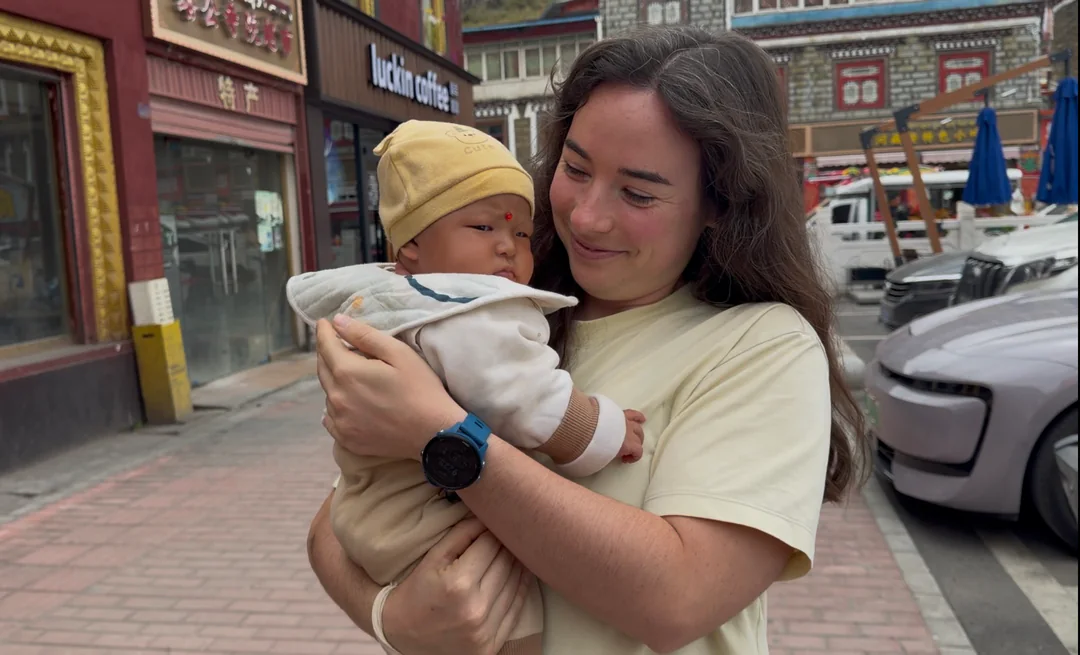
At the Tibetan family’s home, Eva held a baby who was only three months old. The little one barely smiled, but Eva looked down at him with the sweetest expression. We had laughed many times over “Why not?” and shared plenty of louder, livelier moments, yet this is the smile I remember best: her gaze was gentle, and there was an unguarded tenderness in it. It was not an expression arranged for the camera—she was not even looking at the lens. It was the most beautiful smile I had ever seen.
Afterwards, we talked about family, having children, women and working life, the expectations of older generations and the choices people make for themselves. Whenever an answer became too general, Eva would gently ask the next question.
I told her, “You would make a very good lawyer.”
She joked that if she were a lawyer, she might be a shark.
She was incisive, and funny too. Later she said she might be something of an idealist. That felt true to who she was: however big the subject became, she always brought it back to real people. Why do we have to work all the time? Why are we always anxious? How can development and progress genuinely improve ordinary people’s lives?
I shared my own experience. In the life I know, many people work long hours and have little time off. Young people in large cities are no strangers to pressure.
They also asked whether I was under a lot of pressure, whether I felt anxious. I have not forgotten the question. In that moment, their concern was not only whether they themselves were tired or enjoying the journey; it also reached me, the man behind the wheel, responsible for leading the way.
I said I envied their ability to visit different places and make time for travel. They reminded me that they were fortunate too. In France, some people cannot afford to go abroad or even take a proper holiday.
They spoke about the history of French people fighting for labour rights and the value they place on time beyond work. Travel reveals not only how other lives differ from our own, but also how much of what we call “normal” we have simply taken for granted.
We did not discover a formula for the ideal life. We simply placed our choices and uncertainties beside one another and looked at them together.
The Fourth Companion in the Car
Panda helped us cross the language barrier. What it truly extended were conversations that might otherwise have ended almost as soon as they began.
The road through Western Sichuan bent and turned beyond the windows. Inside the car, our conversations often began with something small and travelled a surprisingly long way.
I told them how older members of my family watch short videos and livestreams and shop online. These details felt entirely ordinary to me, but they found them fascinating.
When the subject turned to cars, I described taking a driverless taxi in Chengdu and finding it convenient and inexpensive. They immediately considered the other side: if a machine faced an unexpected situation, might it make a decision that people could not understand?
Artificial intelligence raised similar questions. Technology can make life easier and save time, but if machines require fewer workers, people still need to make a life. If some jobs truly disappear, how will people support themselves, and how should society support them?
The irony was that we were using AI to discuss AI.
Without Panda, some of these subjects might have stopped after a few simple words. I no longer had to assemble every English sentence in my head, and they could use English or French to express a complex thought in full. An exchange that might have ended quickly could unfold along the mountain road into a long conversation.
Panda is an in-house live translation assistant that Baifen Fleet – Chengdu is developing on top of existing AI capabilities. It is still being refined, and it is far from perfect.
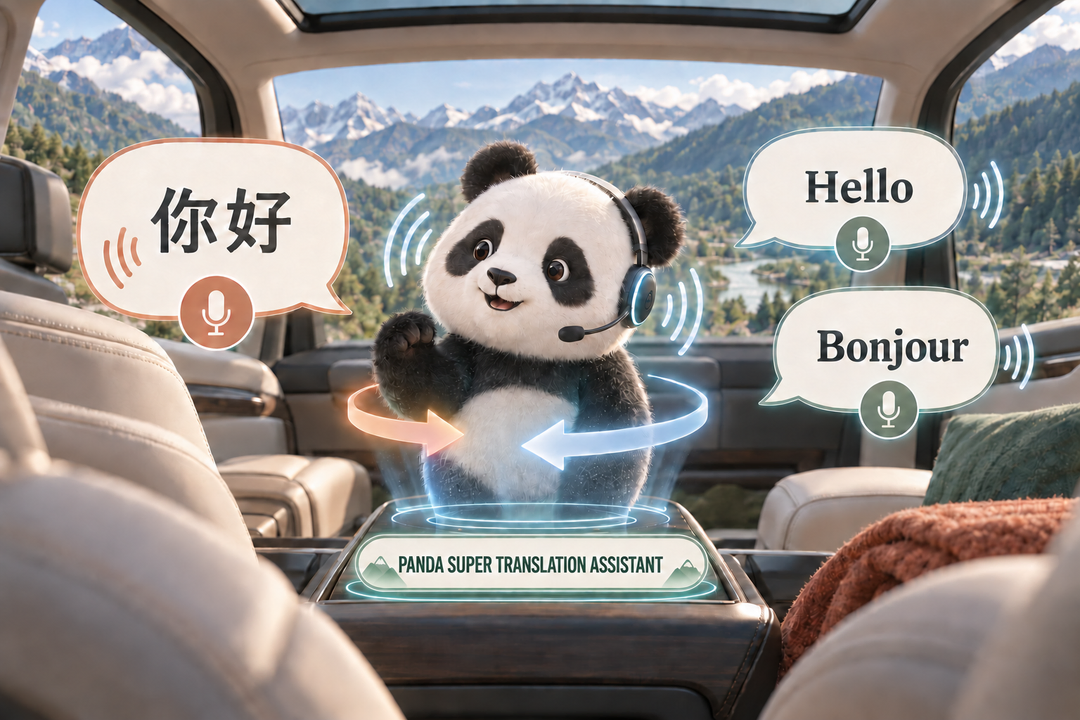
Sometimes it became a little too eager, mistook a sentence it was meant to translate for a question addressed to it, and answered first. We laughed that it seemed to have opinions of its own, like a child still learning.
In the moment, those misunderstandings brought laughter. After the journey, they became practical clues for improving Panda. From testing before departure to using it throughout five days on the road, we observed how long a pause should last before a sentence is considered complete, how to switch more accurately between English and French, when Panda should speak and when it should simply wait.
Our reason for developing Panda was simple: we did not want a meeting between people who had travelled so far to be limited to meals, tickets and the weather.
Over those five days, it helped us share our lives, disagree with one another and understand each other’s jokes. Eva and Martin told me they were glad Panda was there.
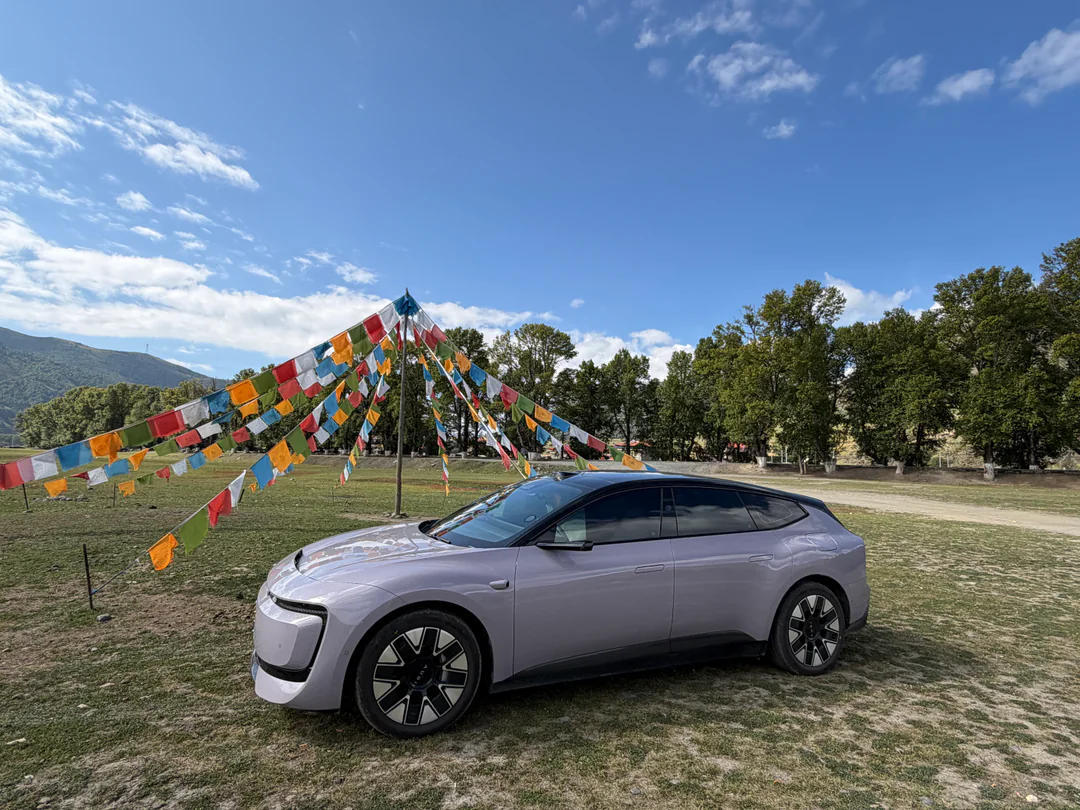
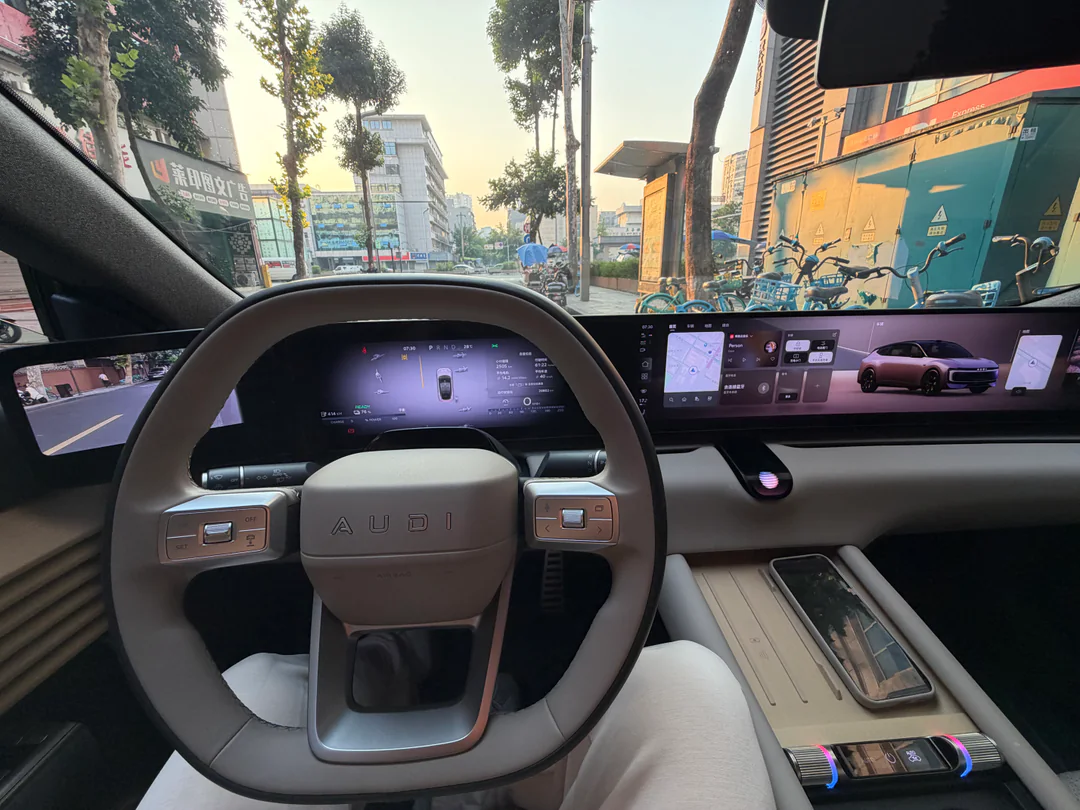
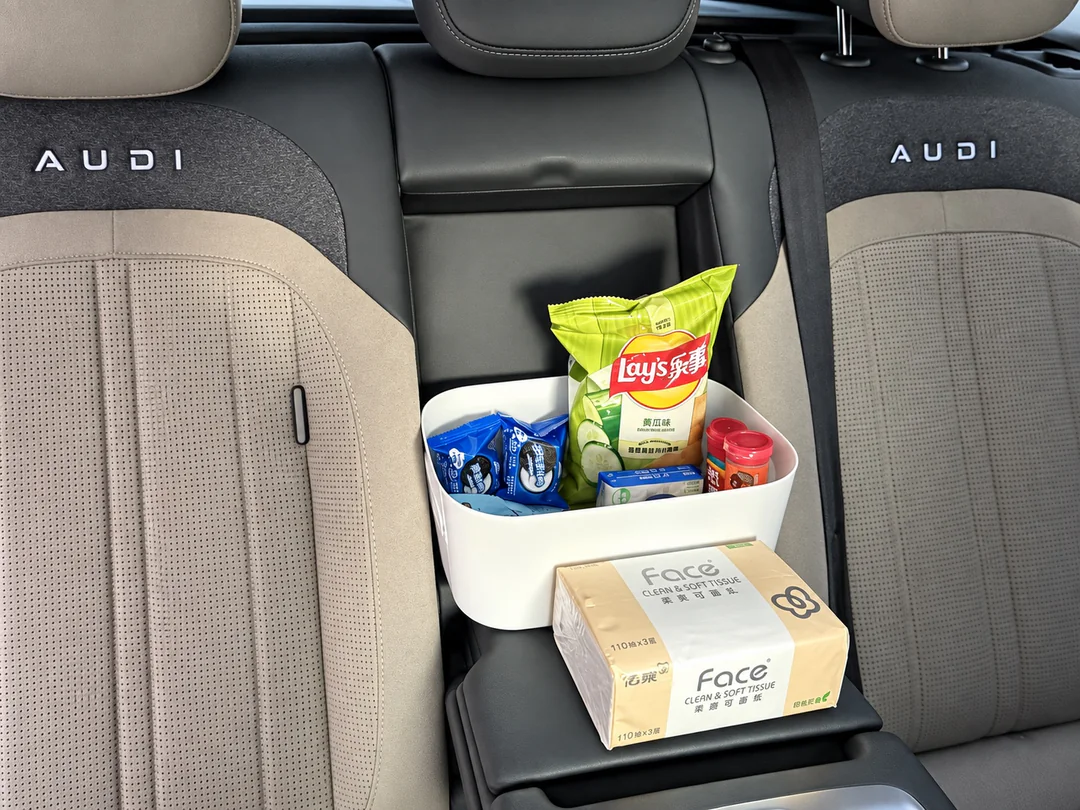
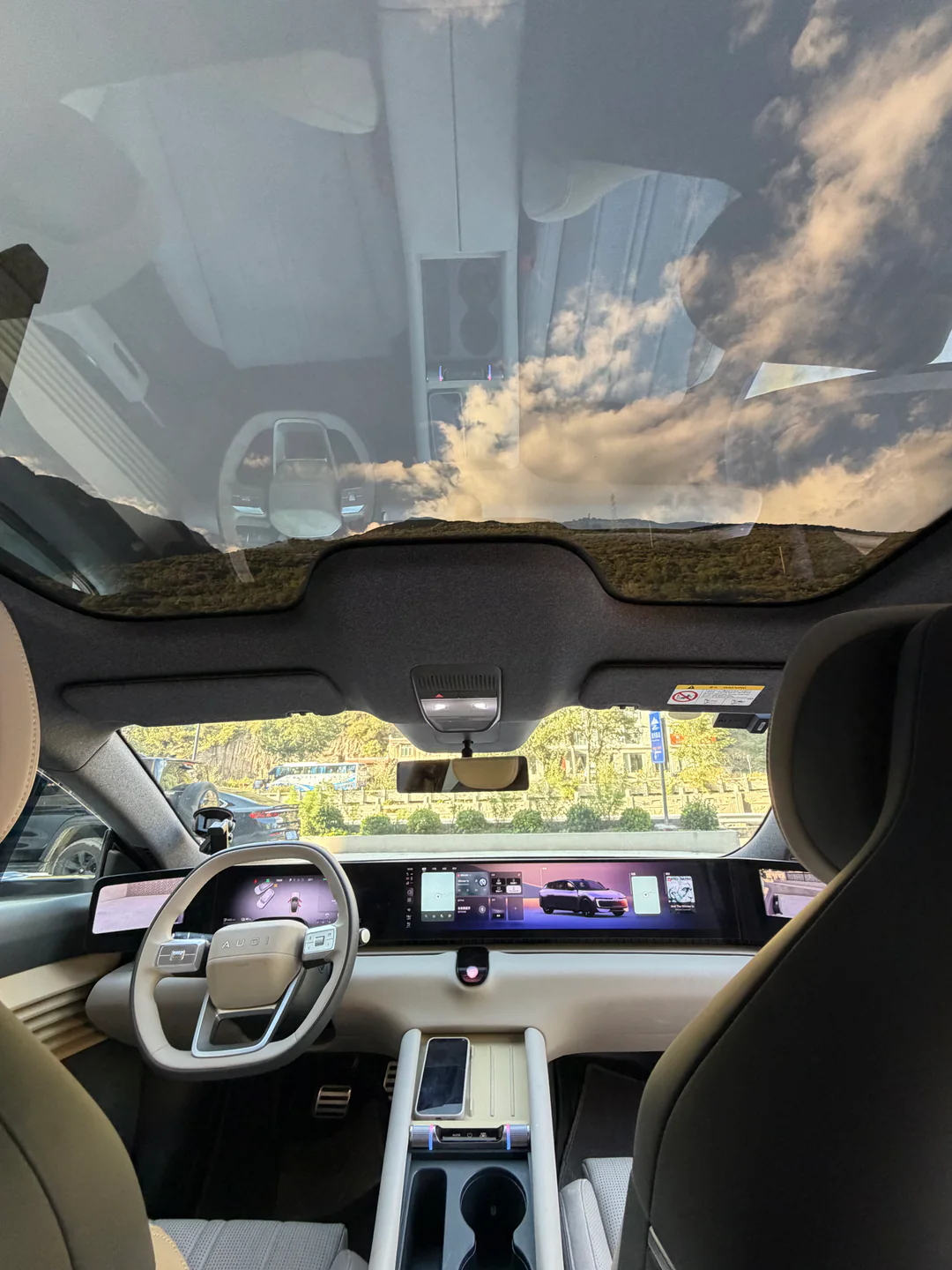
Every time translation interrupted us a little less, a conversation that had only just begun could continue. Technology carried the words across; the willingness to speak and listen remained entirely human.
We Did Not Have to Agree to Understand One Another Better
Differences of opinion did not stop us listening. They allowed each of us to glimpse another way of experiencing life.
Panda could translate a sentence, but it could not make us arrive at the same answer.
SCENENo Shared Answer, but We Kept Listening
Later, we talked about national development, competition, power and the happiness of ordinary people.
I used the image of a wolf pack to explain how I understood organisation and cooperation, and why I could understand the importance people place on development, strength and security.
To me, the changes visible today rest on the hard work of our parents’ and grandparents’ generations. Even in a remote part of Western Sichuan, more than 4,000 metres above sea level, we could still connect to the internet. The roads, equipment and infrastructure behind that did not appear by themselves; people built them piece by piece.
How someone understands the present is inseparable from the road that brought them here.
They listened, then asked: if a country grows stronger while ordinary people do not grow happier, what is that strength ultimately for?
I said that happiness means something different to everyone. Some people need security above all; some care most about having time of their own; others are chiefly concerned with their family’s wellbeing. No single answer can easily satisfy all of those hopes.
They spoke of family, friends and time spent with other people. One did not even have to travel far, they said; simply being able to live well mattered in itself. We began by discussing different societies and kept returning to a more personal question: how can an individual live well?
We also wondered why people always seem to want more—more resources, more land, more power. Wanting more may not itself be the problem, but why must other people be harmed in the process?
I said reality can be cruel. If you wish to live peacefully but someone else intends to harm you, you may have no choice but to make yourself stronger.
We did not reach a shared conclusion, but neither did we stop listening. The people expressing a different view were the same people who had admired the mountains, played basketball and shared jokes with me for days. I knew they were speaking sincerely, not simply trying to win an argument.
Then Eva told me about an experience from her work involving blood transfusions: people from different countries can share the same blood type. I told her I had genuinely never considered the world from that angle. We often notice our differences first and overlook the most fundamental things we share.
I spoke from my own life and that of the generations before me; she spoke from what she had observed through her work. We did not solve the world’s problems in the car, but we each came away understanding another way of seeing them.
We also talked about God, the universe, quantum physics and the story of the Tower of Babel. We shared what we knew and felt no embarrassment in admitting what we did not.
In the story, language makes it difficult for people to understand one another. With Panda, we crossed part of that barrier; with patience, we moved a little closer still.
SCENEEventually, the Conversation Turned to Star Signs
Of course, our conversations could also veer abruptly towards something far less serious.
Eva and I are both Aquarians, which might explain how we managed to discuss so many strange ideas. As for Martin, I eliminated every sign that did not seem to fit him and still failed to guess correctly. Eventually I learnt that he is a Virgo.
Eva laughed and said the description suited him perfectly. Martin said he knew nothing about star signs at all.
When we learnt that his birthday was 20 September, we wished him an early happy birthday.
Being unable to make sense of the world did not prevent us from laughing together over my failed guess. Both kinds of moment belonged to those five days; without either, the journey would not have felt like ours.
It Turned Out We Were Travelling Together
They had set out looking for a driver-guide. What stayed with them was a journey three people had shared.
On the final drive back to Chengdu, I wanted to record a video and look back on the five days while our memories were still fresh.
The moment the camera started, however, my first concern was: “My face looks enormous.”
They reminded me that it was because I was sitting in front. I said I had better move farther from the camera.
Before we could begin the serious reflection, all three of us were laughing again.
SCENEChina Through Their Eyes
Once the laughter subsided, we slowly retraced the journey from day one. I asked how being in China compared with what they had imagined before arriving.
They had expected a much stronger culture shock. Instead, China did not feel as distant as they had imagined. Along the way, people greeted them and smiled at them, making them feel welcome and respected.
There were things they found difficult too. I was the first to mention spitting in public; they brought up people playing audio aloud on public transport. Appreciating a place does not require pretending that every part of it is good.
Five days were not enough to understand an entire country, but they were enough to give an abstract impression a human face. For them, “China” now included the people they had met and the moments they had shared along the road. For me, France now brought to mind two particular people—their names, personalities and laughter. The next time we spoke of each other’s countries, we would have real people to remember.
SCENEFrom Two Guests and Their Driver-Guide to Three Travellers
We also talked about the way the five-day journey had been arranged.
They felt the journey had balanced busy periods with quieter ones. We had spent a fair amount of time in the car, but being able to stop for coffee or a view meant the road never felt too long. Some places deserved two or three days of their own, they said, but for this particular plan, the pace of five days had been right.
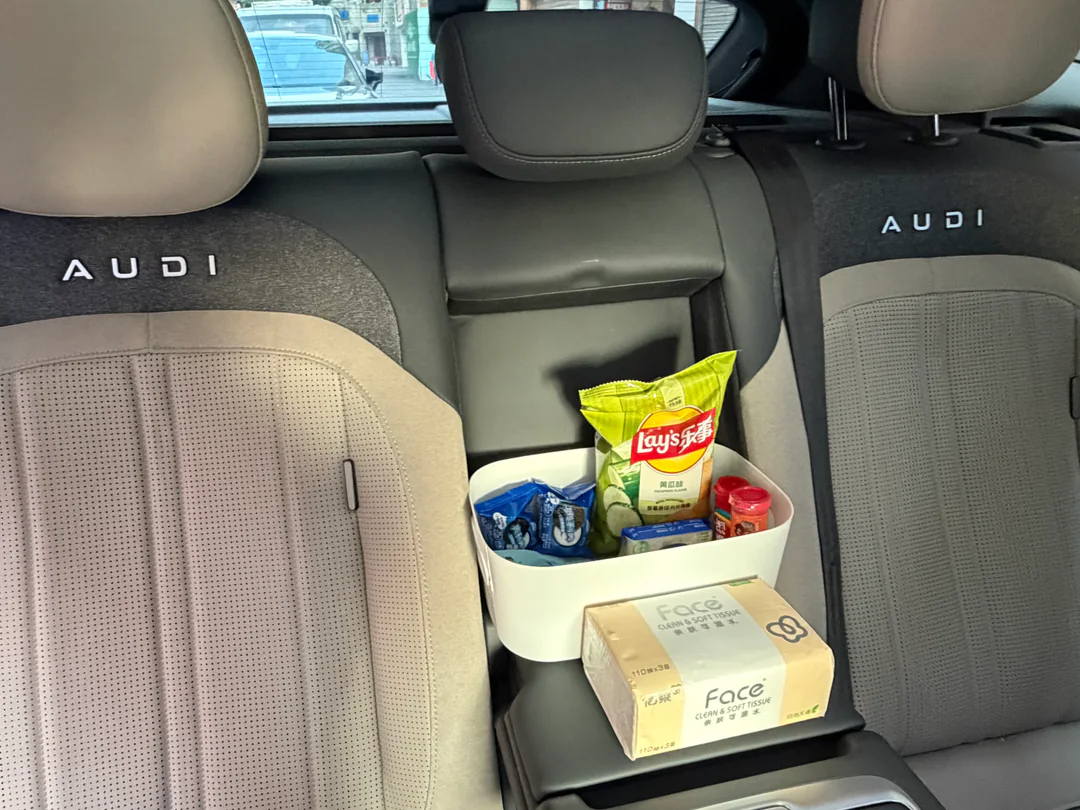
They remembered the small snacks in the car and how comfortable the journey felt. They had also noticed that I listened to their ideas and adjusted our plans when circumstances allowed. Some stretches of mountain road looked intimidating, yet they had always felt safe in the car. To me, that mattered just as much as hearing that the scenery was beautiful.
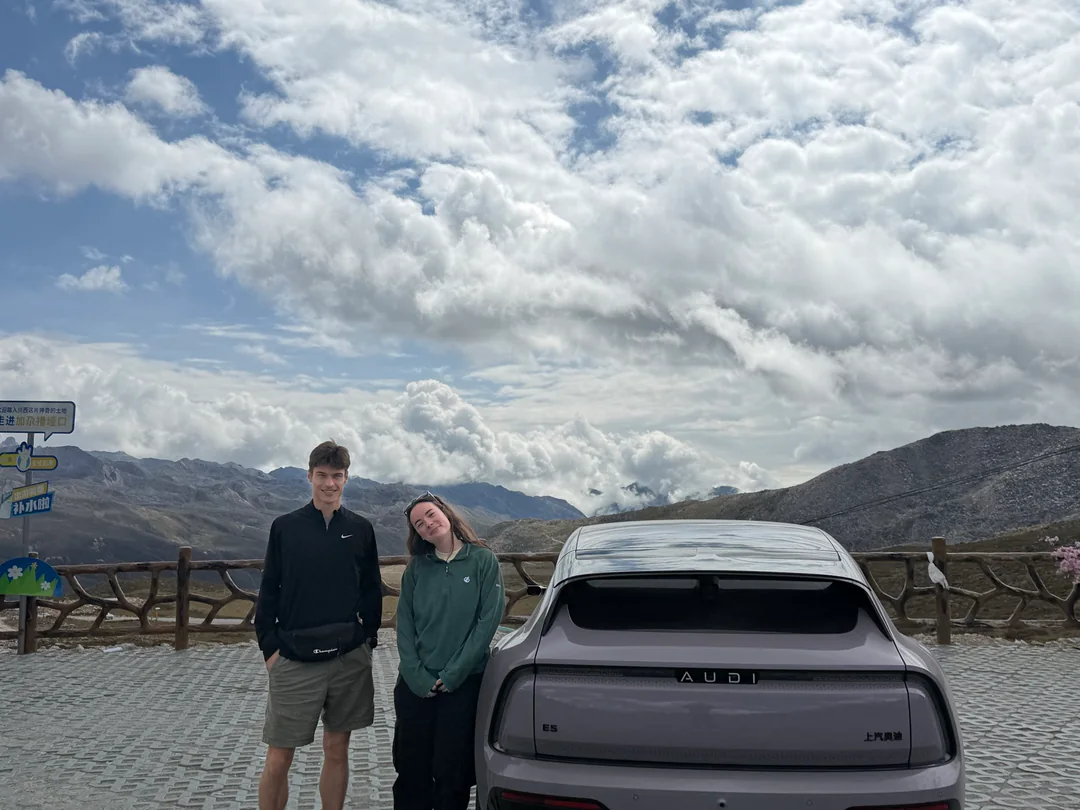
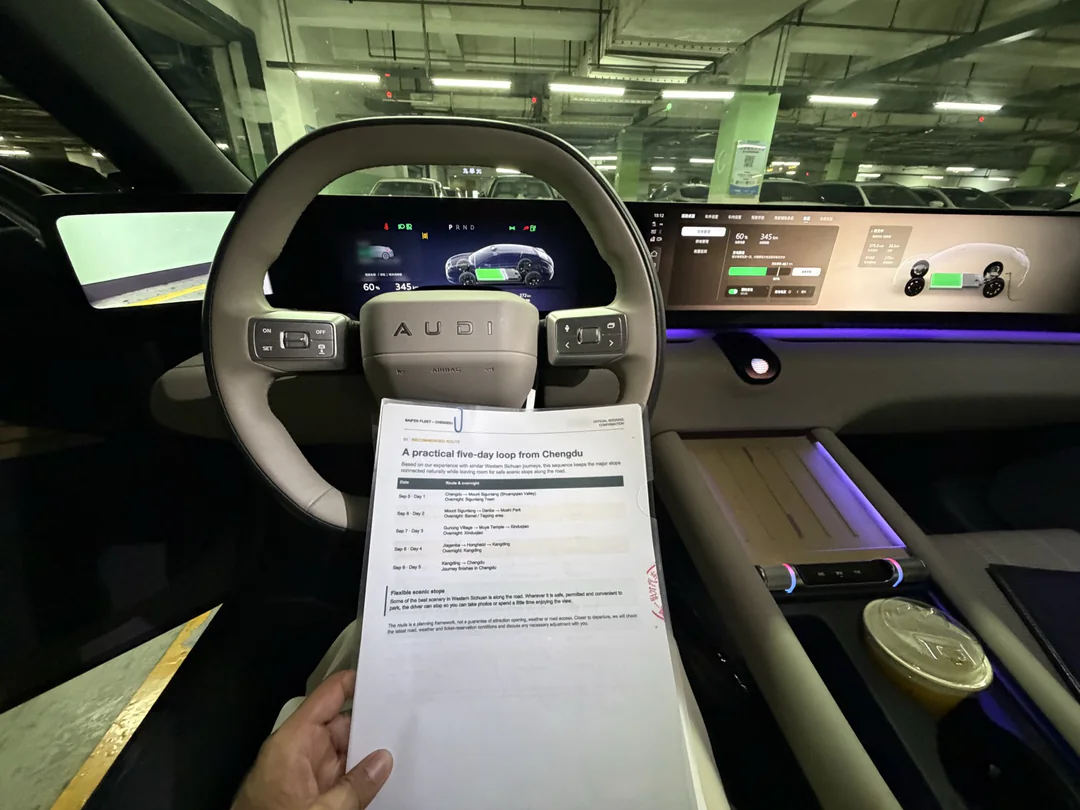
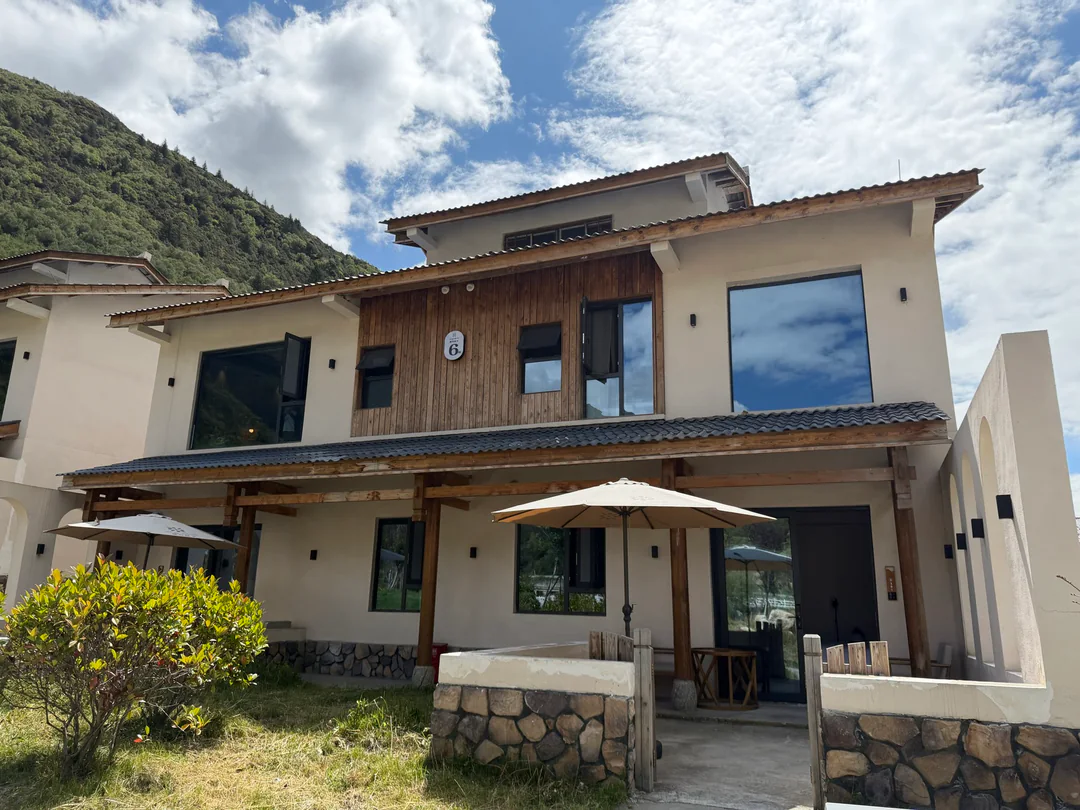
I asked whether they would recommend our team if friends came to Chengdu in the future.
“Of course,” they replied.
What pleased me even more was what they said next. Before setting out, they had thought they were simply hiring a driver who knew Western Sichuan to take them from one place to another. After five days on the road, what remained also included our conversations, the thoughts we had shared and the time the three of us had genuinely enjoyed together. Rather than two visitors following a driver-guide through an itinerary, it had felt like three people truly travelling together.
Then they turned the question back to me: after travelling this route so many times, what had made this journey different?
I tried to set out with an open mind and see the familiar road afresh through my companions’ eyes. Everyone brings different experiences, personalities and ideas, so the same landscape can move each person in a different way.
“To me, the people I travel with are part of the landscape too.”
I introduced Western Sichuan to them; they made me notice again the places I had begun to take for granted and reconsider parts of my own life. The road was familiar, but different companions revealed something new.
A Goodbye in the Rain, an Echo on the Road
The rain carried us back to Chengdu and turned those five days into a memory we would return to again and again.
And so the story returns to the rain where it began.
They said we had already been very lucky: the day of our farewell also happened to be the day with the fewest outdoor plans.
Beyond the windows, familiar roads and traffic gradually returned. Our large questions about the world, the future and happiness gave way to small practical matters: the final payment had been sent and needed checking; there were restaurants inside Chengdu East Railway Station if they wanted something to eat; and we needed to check their belongings one last time, especially their passports.
At the station, we took photos together, said thank you, and then said it again. They told me I had always been punctual, exactly as planned. I was glad I had not disappointed them, and I admitted that I was genuinely sad to say goodbye.
Five days earlier, I had gone to collect two guests from France. The people saying goodbye to me in the rain were now two friends I knew well.
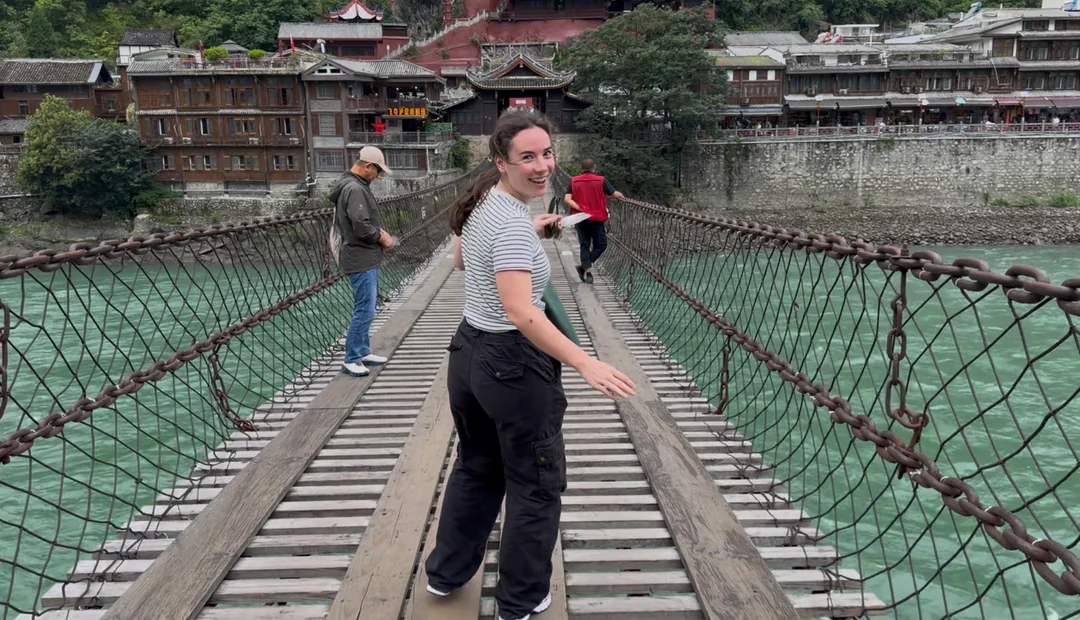
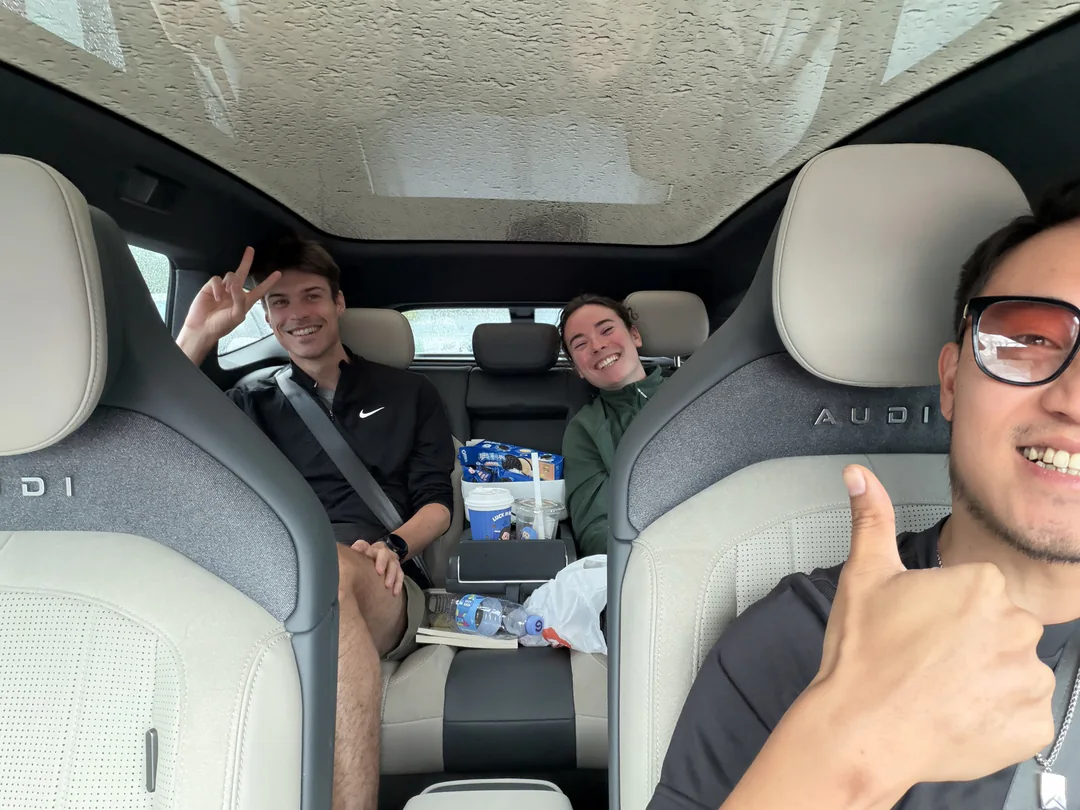
When I think of France in the future, I suspect I will first think of them. When I travel these mountain roads again, I will remember how Martin let his worries fall away while running, the smile on Eva’s face as she held the Tibetan baby, and the conversations that reached no conclusion but still showed me another possibility.
I will also remember the “Why not?” that made us laugh all along the way. Like an easy answer, it linked all those moments beyond the plan.
Their next journey was still ahead, and I would continue on my own road. Those five days gave me a deeper sense of what people mean when they describe travel as “seeing the world, seeing others and seeing yourself”: the world was the sweep of mountains and rivers across Western Sichuan; others were the people who drew closer after stepping into the same car; and through those honest conversations, I came to see myself anew.
It turns out that even the person leading others down the road can be carried further by an encounter.
Planning a journey through Sichuan? We are here if you need us.
WhatsApp +86 191 1390 6991 · booking@baifenzuche.com